
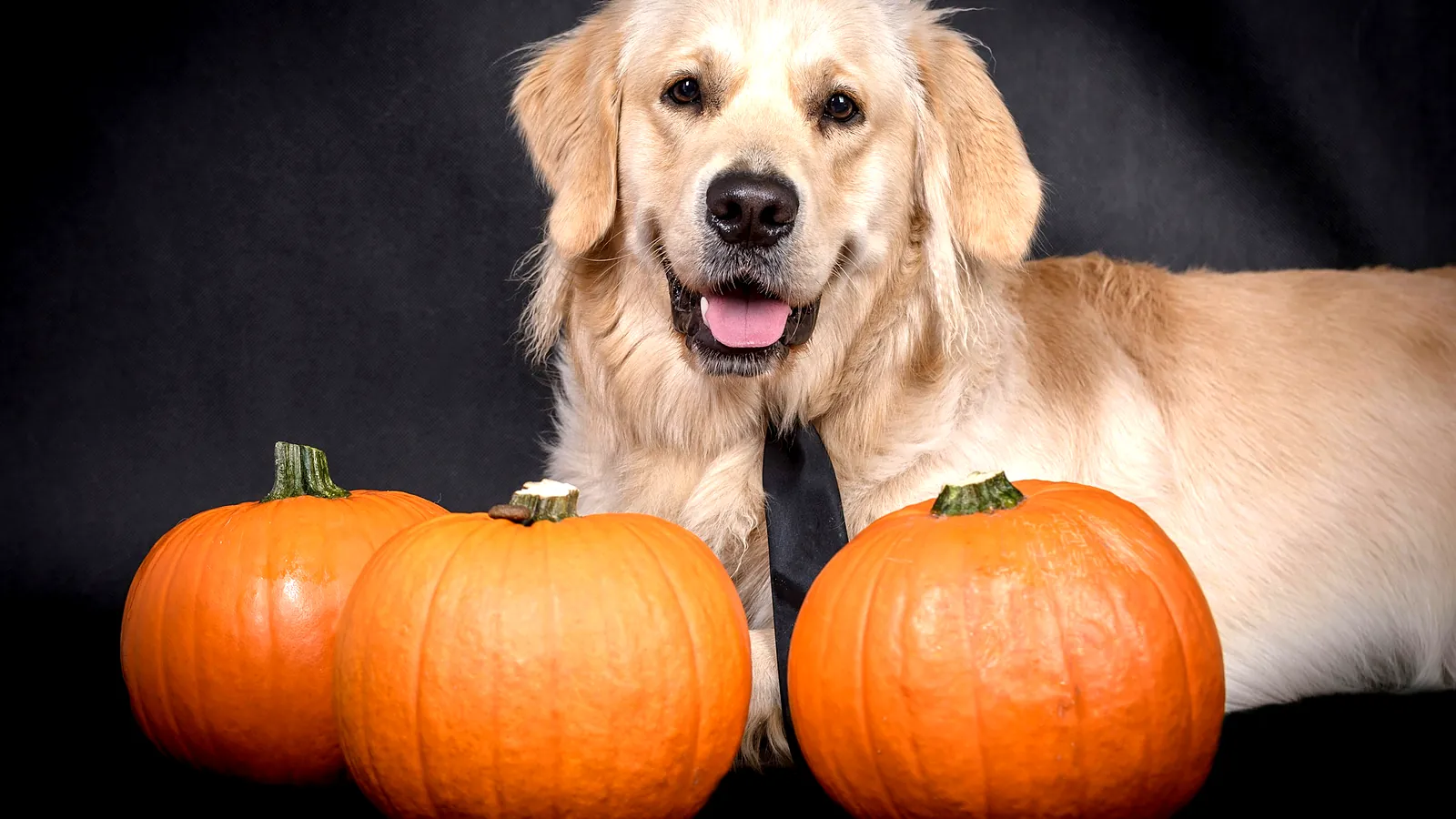
Most dogs and cats have the odd day of loose stool, or a day when nothing comes out. The cause is often simple: a sudden change of food, a stolen snack, stress or not enough water. Mild cases usually settle within a day or two. This guide covers what you can do at home, and the signs that mean you should call your vet instead.
Call your vet right away if your pet:
- has diarrhea for more than 24 to 48 hours, or keeps vomiting;
- has blood in the stool, or black, tarry stool;
- is a puppy, kitten or senior with diarrhea, since young and old pets dehydrate faster;
- seems tired, won't eat, or has a sore or swollen belly;
- might have swallowed something toxic, a toy or a bone;
- is a cat straining in the litter box: a cat that passes little or no urine may have a urinary blockage, which is an emergency.
Common causes
Diarrhea: a sudden change of food, garbage or rich table food, stress from boarding or moving, parasites, infections and food sensitivities.
Constipation: not enough water or fibre, too many bones (raw diets heavy in bone can make stool hard and chalky), hairballs in cats, less exercise, and some medical conditions.
How pumpkin helps dogs and cats
Pumpkin is high in fibre and water. Its soluble fibre soaks up water in the gut, which can firm up loose stool, and the extra bulk can help mild constipation move along. The research on pumpkin is limited, but it is gentle, and most dogs and many cats like the taste.
Use the right pumpkin
- Use plain canned pumpkin purée (100 percent pumpkin), or fresh pumpkin that you've cooked and mashed with nothing added.
- Don't use pumpkin pie filling. It contains sugar and spices such as nutmeg, and some sugar-free versions contain xylitol, which is toxic to dogs.
- Don't feed raw pumpkin, the stem or the skin.
- Keep an opened can in the fridge for a few days, or freeze spoonfuls in an ice cube tray for ready-made portions.
How much pumpkin to give a dog or cat
| Pet | Plain pumpkin per meal |
|---|---|
| Cats and small dogs (under 10 kg / 22 lb) | 1 to 2 teaspoons |
| Medium dogs (10 to 25 kg / 22 to 55 lb) | 1 to 2 tablespoons |
| Large dogs (over 25 kg / 55 lb) | 2 to 3 tablespoons |
Start at the low end, once or twice a day, mixed into food. Too much fibre can make diarrhea worse. If things haven't improved in a day or two, call your vet.
Other things that help
- Keep fresh water out at all times. Wet food and broth-based toppers add more.
- For a dog with mild diarrhea, many vets suggest a short bland diet, such as plain boiled chicken and white rice for a day or two. Ask your vet first.
- Probiotics made for pets can help some animals.
- Change foods over 7 to 10 days, not overnight.
- For cats, regular brushing means less swallowed hair and fewer hairballs.
- Don't give human medicines for diarrhea or constipation unless your vet tells you to. Some are dangerous for pets.
Pumpkin treats and foods
If your pet does well with pumpkin, you'll find it in purées, powders, treats and complete foods. Treats are still treats: keep them to about 10 percent of your pet's daily food.
 BCR Organic Pumpkin Puree 454g
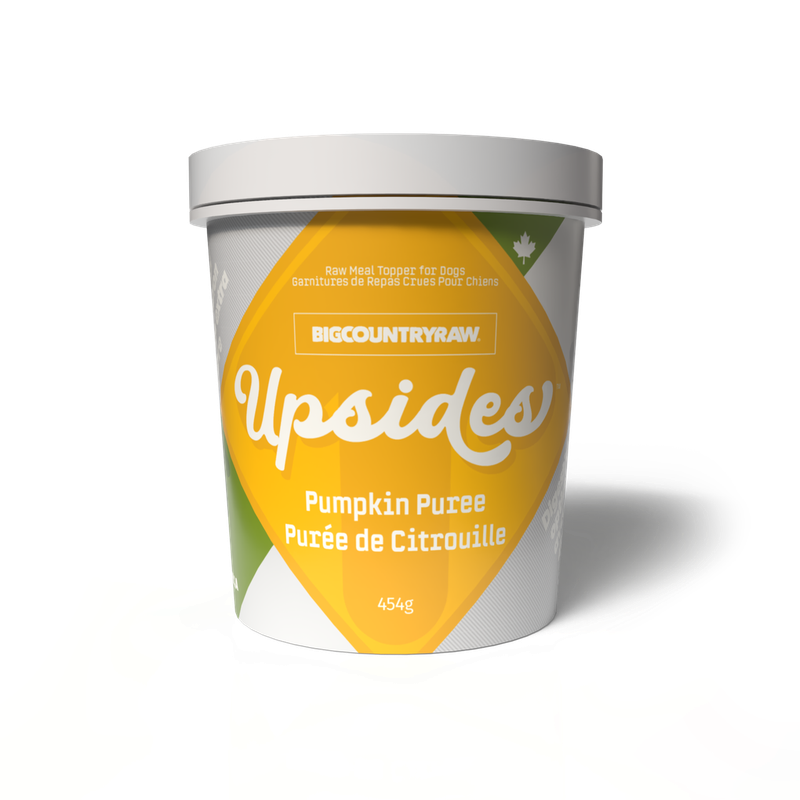 Big Country Raw Upsides Pumpkin Puree Meal Topper 454g
 BCR Thrive Pumpkin Powder 225g
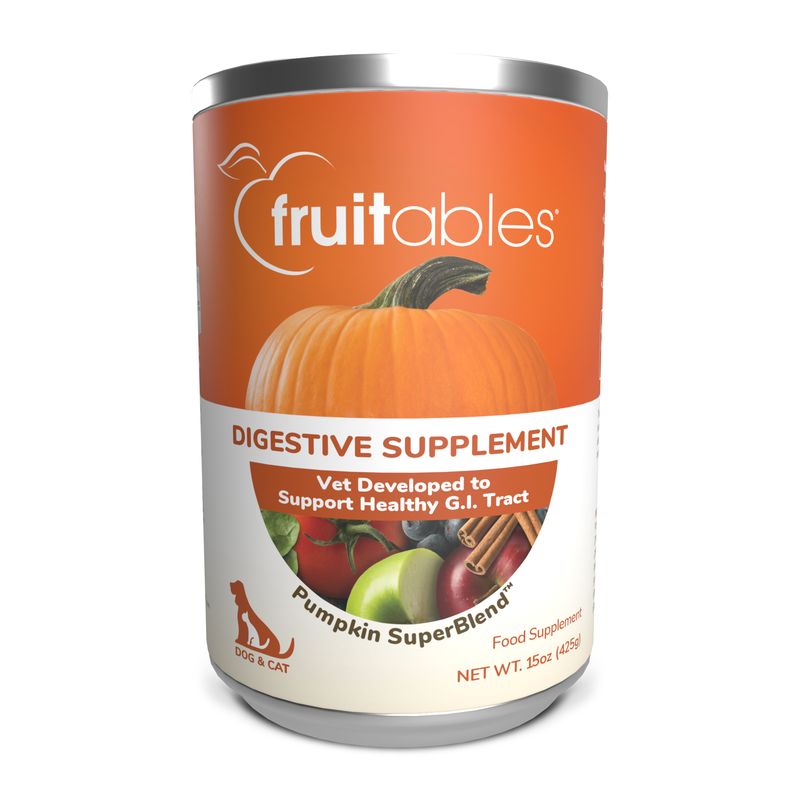 Fruitables Digestive Supplement Pumpkin Super Blend 425g
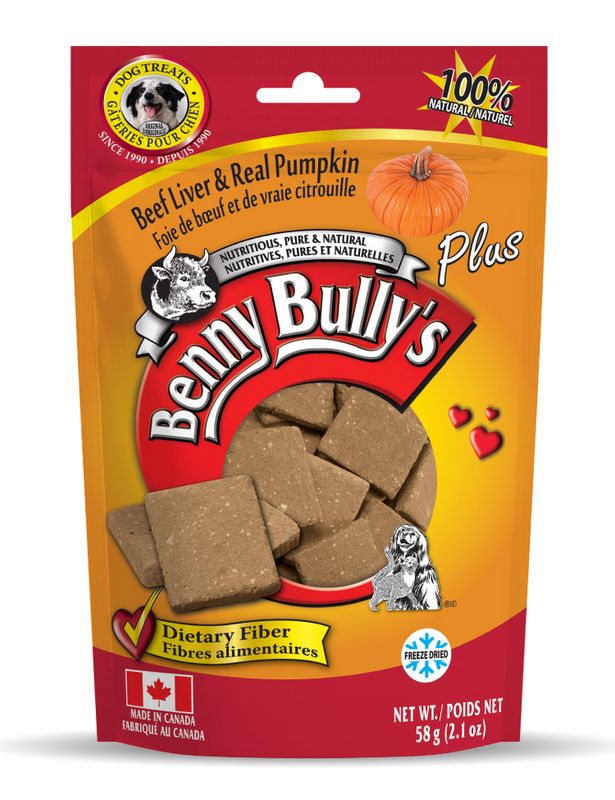 Benny Bully's Beef Liver & Real Pumpkin
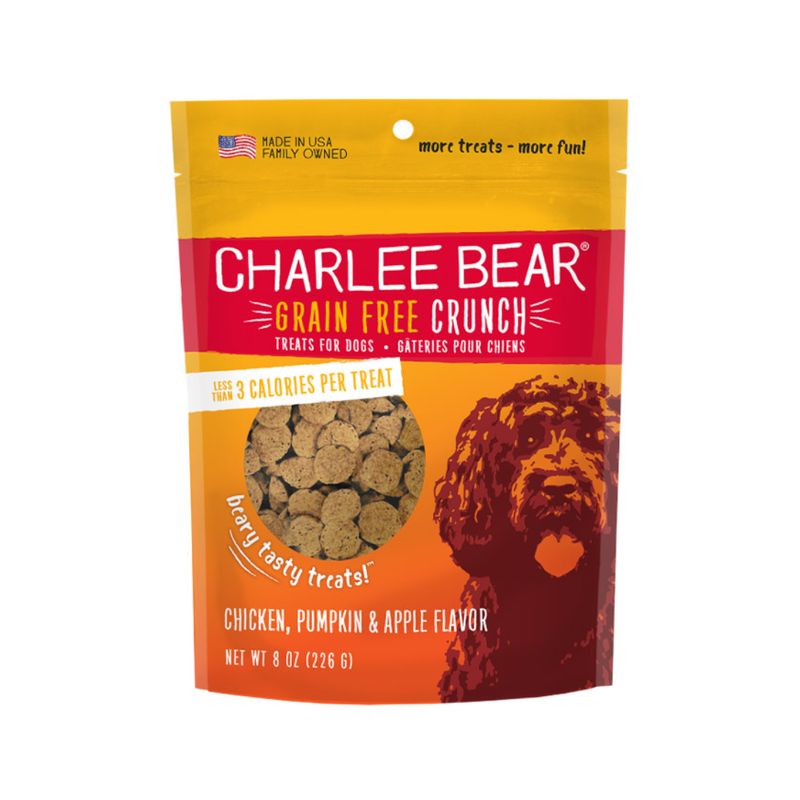 Charlee Bear Grain Free Crunch Chicken, Pumpkin & Apple 8oz
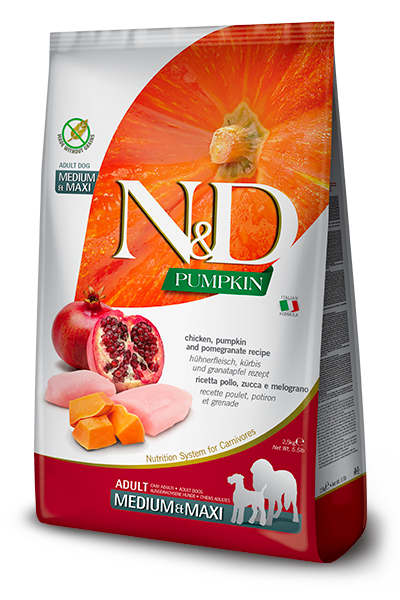 Farmina N&D Pumpkin Chicken Pomegranate Med/Maxi Dog Food 2.5kg
 Almo Nature Digestive Support Formula Chicken With Pumpkin 6x50g
More guides
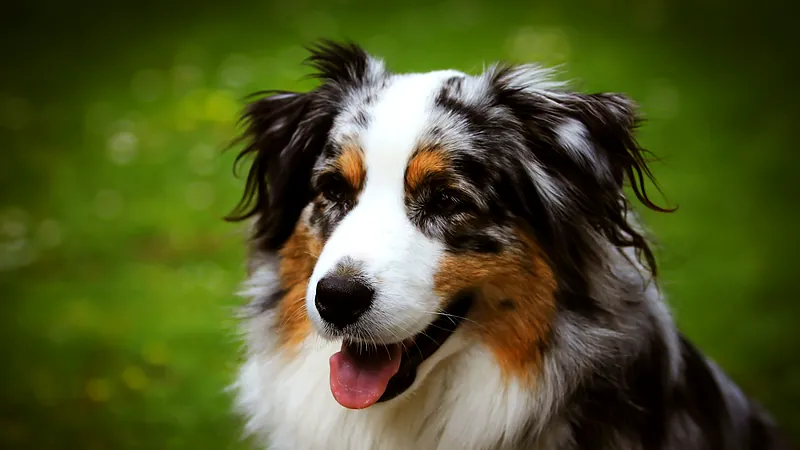
Fish oil and skin and coat formulas: what helps dry, itchy skin
Why dogs and cats get dry, itchy skin and dull coats, what fish oil, salmon oil and skin and coat foods add (omega-3, omega-6, zinc), how long they take, and when to see a vet.
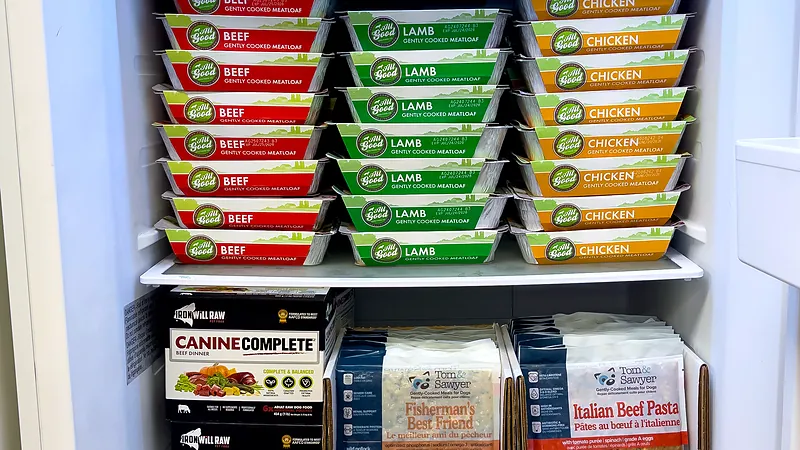
Gently cooked fresh dog food: what it is and how to choose
What gently cooked fresh dog food is, how it compares with raw and kibble, how to serve and store it, and the brands we carry: Canine Life, All Good, Tom & Sawyer and YUPP.
About this guide. Written by the team at LOVE AND PAWS, the pet store at 376 Kingston Rd, Pickering. This guide is general information and is not a substitute for advice from your veterinarian.
Questions about your pet's digestion?
376 Kingston Rd, Pickering, ON L1V 6K4 · 905-509-3417