
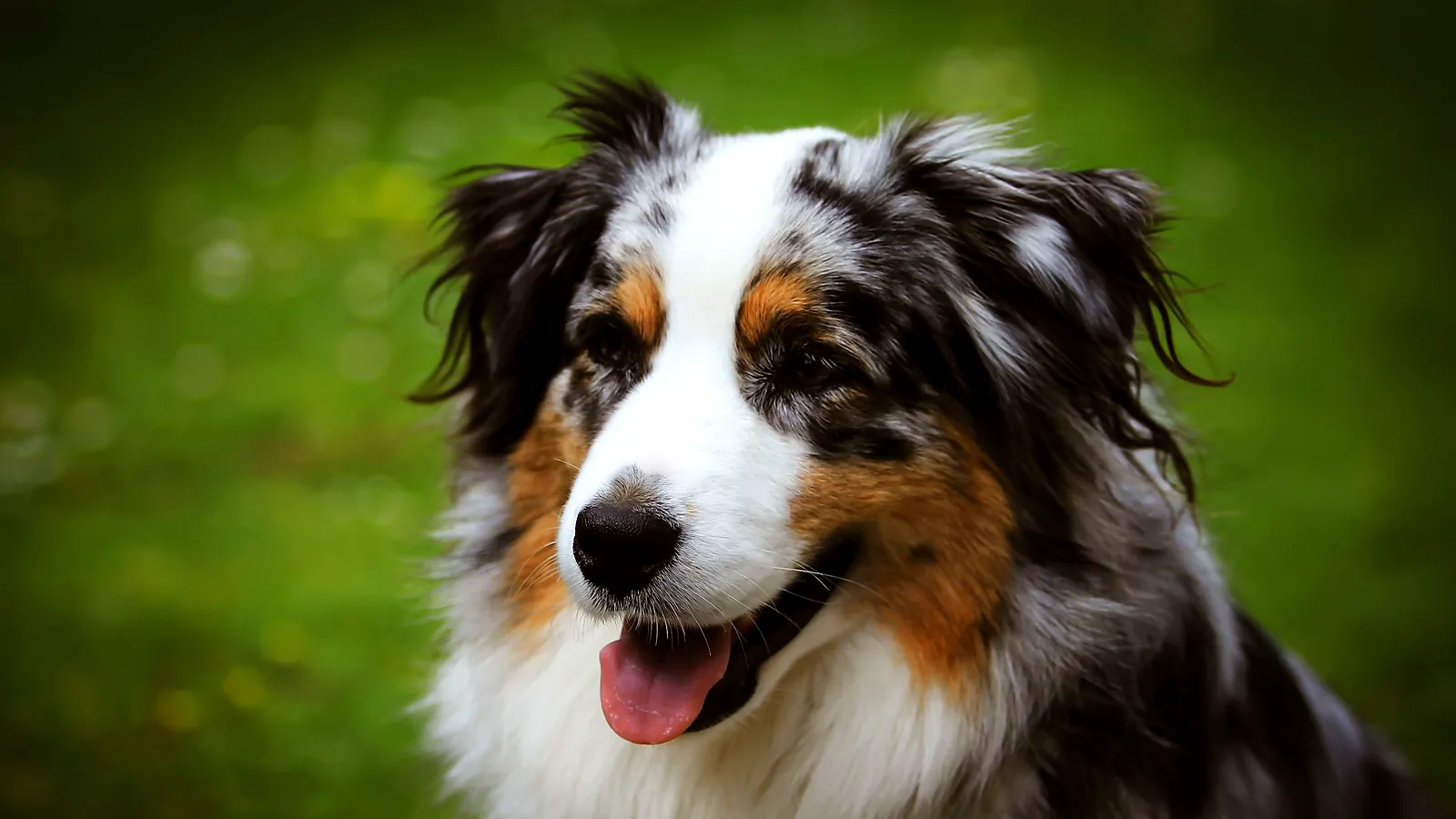
Skin shows quickly when something is off: flakes, a dull or brittle coat, more shedding than usual, or itching. Some causes are simple, like dry winter air or bathing too often. Others, such as fleas, allergies and skin infections, need a vet. Food can help with the first group and support treatment for the second.
Common causes
- Dry indoor air in winter, when the furnace is running
- Bathing too often, or with human shampoo
- A diet low in fat
- Fleas or mites
- Food or environmental allergies
- Some hormone problems, such as an underactive thyroid in dogs
See your vet if your pet scratches constantly, licks or chews its paws, has red or broken skin, bald patches or a smell, or keeps getting ear infections. These need a diagnosis, not only a food change.
What's in a skin and coat formula
- Omega-3 fatty acids (EPA and DHA), mostly from fish and fish oil, which help calm inflamed skin.
- Omega-6 fatty acids such as linoleic acid, from chicken fat and plant oils, which help the skin hold in moisture.
- Zinc, vitamin E and B vitamins such as biotin, which skin and hair cells need.
- Good-quality protein, because hair is made mostly of protein.
Many skin and coat foods also use a single animal protein or a protein your pet hasn't eaten before, such as fish, lamb or venison, for pets that react to common ones.
Fish oil or a skin and coat food?
If your pet's food is complete and balanced and suits them otherwise, a fish oil supplement is the simplest way to add omega-3. Start with less than the label amount and build up over a week: too much at once can cause loose stools. Ask your vet first if your pet takes medication or has had pancreatitis.
A skin and coat food changes the whole diet, which makes sense if the current food may be part of the problem. If your vet suspects a food allergy, the reliable test is an elimination diet under their guidance, usually for 8 weeks or more.
How long until you see a difference
Skin renews itself and hair grows slowly, so give a new food or supplement at least 6 to 8 weeks before you judge it. Keep everything else the same during that time, including treats, so you know what made the difference.
Help from the outside
- Brush regularly to spread the coat's natural oils.
- Bathe only when needed, with a gentle pet shampoo, and use a conditioner on long coats.
- Run a humidifier in winter.
- Keep up with flea prevention as your vet recommends.
At our store

 BCR Thrive Salmon Oil 500ml
 BCR Thrive Herring Oil 500ml
 BCR Thrive Hemp Oil Seed 500ml
 Boreal Functional Herring Dog Food 4lb
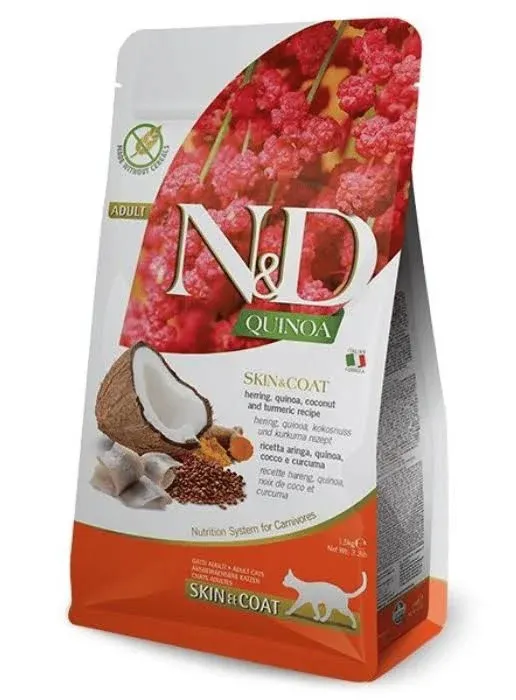 Farmina N&D Skin & Coat Cat Dry Food 1.5kg
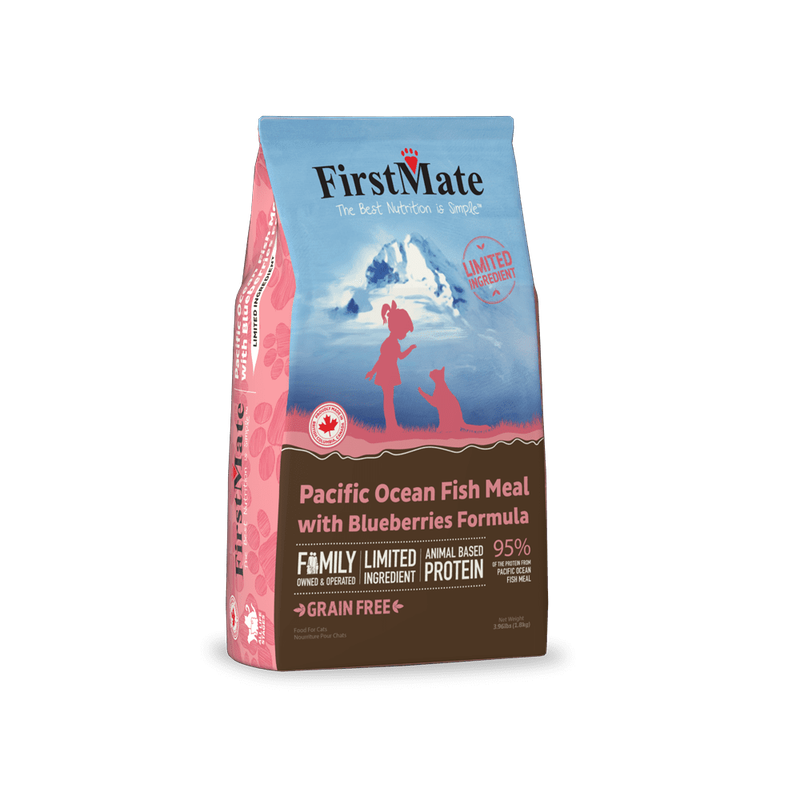 First Mate Grain Free LID Ocean Fish W Blueberry Cat Food 1.8kg
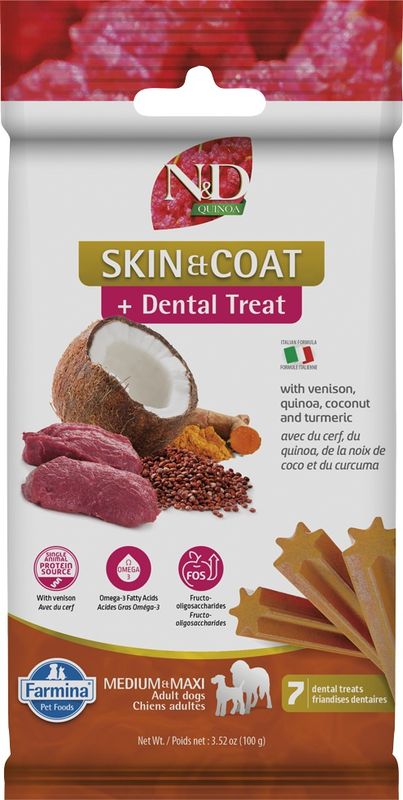 Farmina N&D Dental Treat Quinoa Skin & Coat Venison Med/Maxi Dog Treat 100g
 EQyss Avocado Conditioner 473ml Dog And Cat
More guides
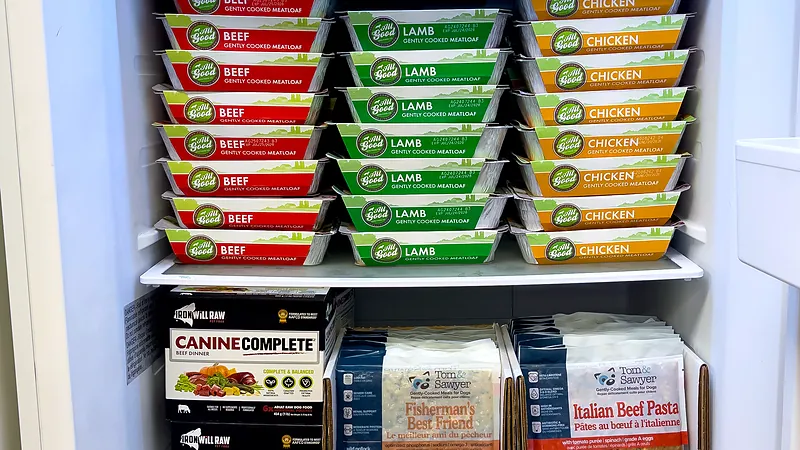
Gently cooked fresh dog food: what it is and how to choose
What gently cooked fresh dog food is, how it compares with raw and kibble, how to serve and store it, and the brands we carry: Canine Life, All Good, Tom & Sawyer and YUPP.

Winter paw care: dog boots, paw balm and road salt
How to protect your dog's paws in an Ontario winter: road salt and de-icers, choosing and fitting dog boots, paw balm, coats for dogs that feel the cold, and when to call the vet.
About this guide. Written by the team at LOVE AND PAWS, the pet store at 376 Kingston Rd, Pickering. This guide is general information and is not a substitute for advice from your veterinarian.
Questions about your pet's skin and coat?
376 Kingston Rd, Pickering, ON L1V 6K4 · 905-509-3417