
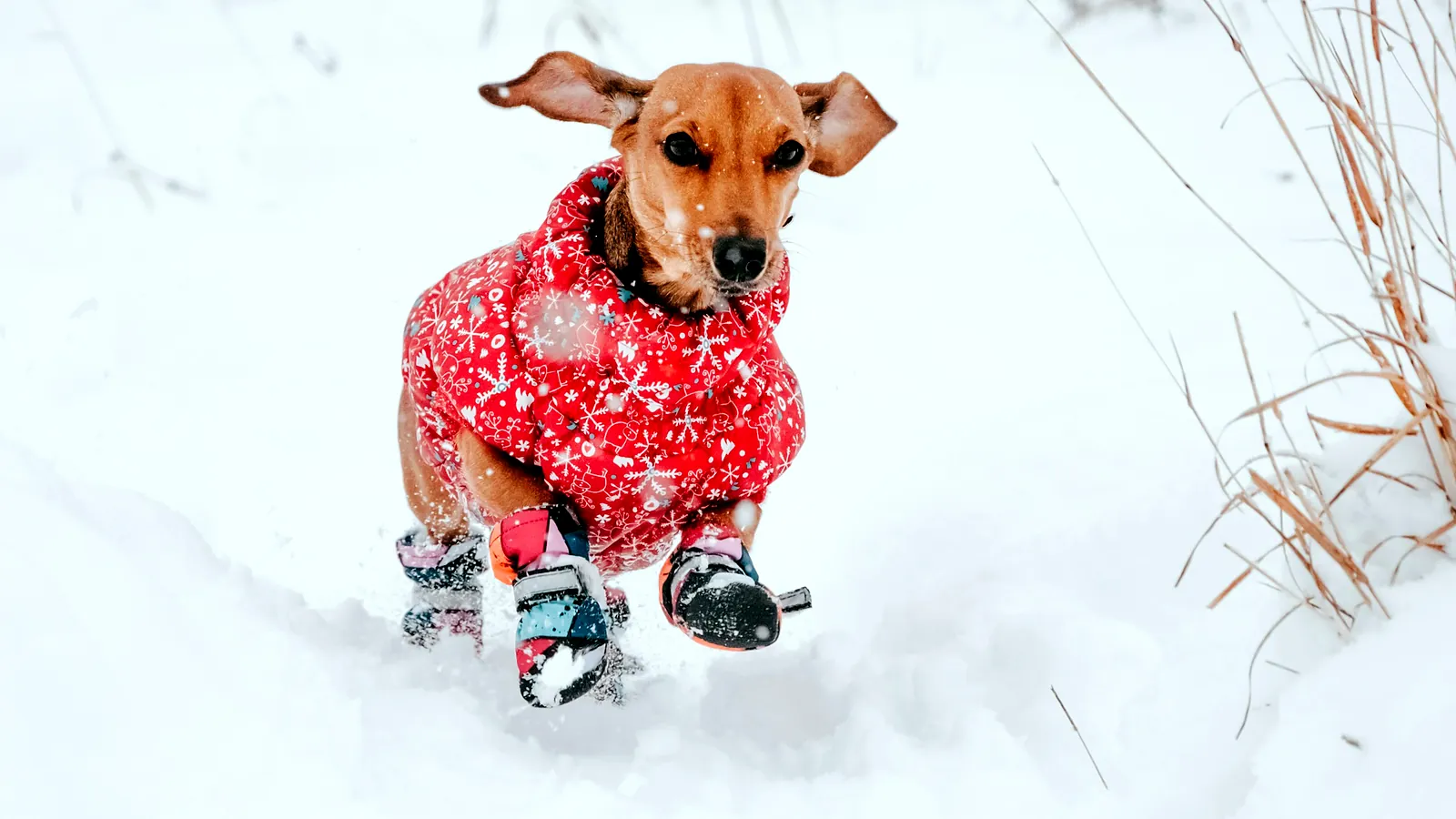
Ontario winters bring snow, ice and a lot of road salt. Salt and de-icers dry out paw pads until they crack, ice balls form between the toes, and some dogs get cold within minutes. A few habits and the right gear keep winter walks comfortable.
Why road salt is hard on paws
Rock salt and other de-icers dry out the pads and sting in small cuts. Dogs also lick their paws after a walk and swallow whatever is on them, which can upset the stomach, and large amounts of salt are dangerous for dogs. On your own steps and driveway, use a de-icer labelled pet-safe.
Watch out for antifreeze. Spilled antifreeze tastes sweet to pets and is poisonous even in small amounts. Wipe paws after walks, clean up spills in the garage, and call your vet or an emergency clinic right away if you think your pet licked some.
Dog boots
Boots keep salt, ice and cold off the paws completely. They make the most sense for dogs that walk on salted sidewalks every day, dogs with sore or cracked pads, and small or older dogs that feel the cold.
Getting the right fit
- Have your dog stand on a sheet of paper with their weight on one front paw. Mark both sides of the paw at its widest point and measure across, then use the brand's size chart.
- Front paws are often a little wider than back paws.
- A good boot is snug enough not to twist or slide off, and doesn't rub at the top.
You're welcome to bring your dog into the store to try sizes on.
Getting your dog used to boots
Most dogs walk with high, funny steps the first time. Put the boots on indoors for a few minutes at a time, with treats, before the first walk, then start with short walks. Thin rubber boots such as Pawz let dogs feel the ground better; boots with a sole, such as Canada Pooch and GF Pet, are warmer and last longer.
Paw balm
If your dog won't wear boots, a paw balm or wax made for dogs is the next best thing. Rub a thin layer onto the pads before a walk to help keep salt and snow off, and use it after the walk on dry or cracked pads. Choose a product made for pets, because dogs lick their paws. We carry Musher's Secret, a paw wax made from natural waxes that helps stop snow and ice building up on the paws.
After every walk
- Wipe each paw with a cloth and warm water, or a pet wipe, to remove salt and de-icer.
- Dry between the toes.
- Check the pads for cracks, cuts or redness.
- For long-haired dogs, keep the fur between the pads short so ice balls don't form. Our dog grooming guide covers the rest of the coat.
Does your dog need a coat?
Dogs with thick double coats, such as Huskies and Malamutes, usually don't need one. A coat or sweater helps:
- small dogs and toy breeds;
- short-coated and thin dogs, such as Greyhounds, Whippets, Chihuahuas and Boxers;
- puppies and senior dogs;
- dogs with health conditions that make them feel the cold.
To find the right size, measure your dog's back from the base of the neck to the base of the tail, and around the widest part of the chest. The coat should cover the back and belly without rubbing under the front legs.

How cold is too cold?
Every dog is different. On very cold days, around −15 °C or colder or with a strong wind chill, keep walks short for small, short-coated, young and senior dogs. Shivering, lifting paws off the ground, slowing down or trying to turn back all mean your dog is too cold: head home and warm up.
When to call the vet
Call your vet if your dog limps, has a cracked pad that bleeds or won't heal, has red or swollen paws, keeps licking one paw, or has pale, grey or hard skin on the ears, tail or toes after time in the cold, which can be frostbite.
Winter gear at our store
 Musher's Secret Paw Protection 60g
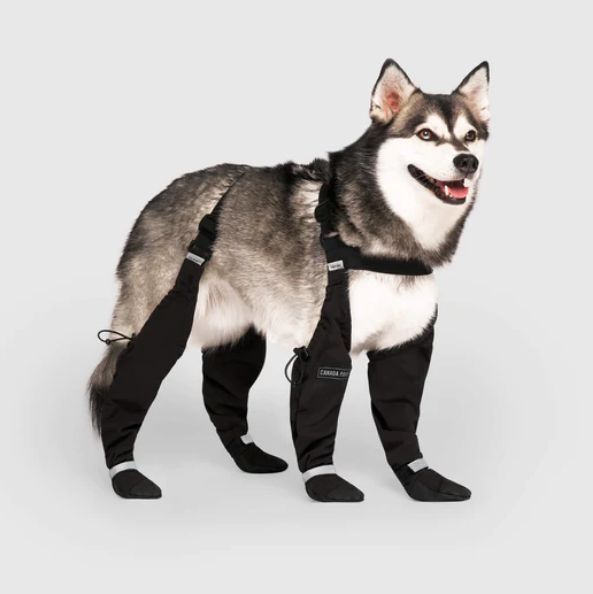 Canada Pooch Suspender Boots Black Size 3 Short
 Canada Pooch Soft Shield Boot Black Reflective Size 5
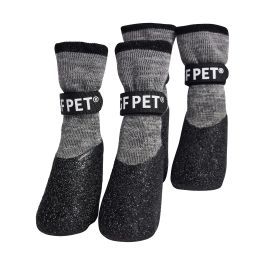 GF Pet All Terrain Boots Black Large
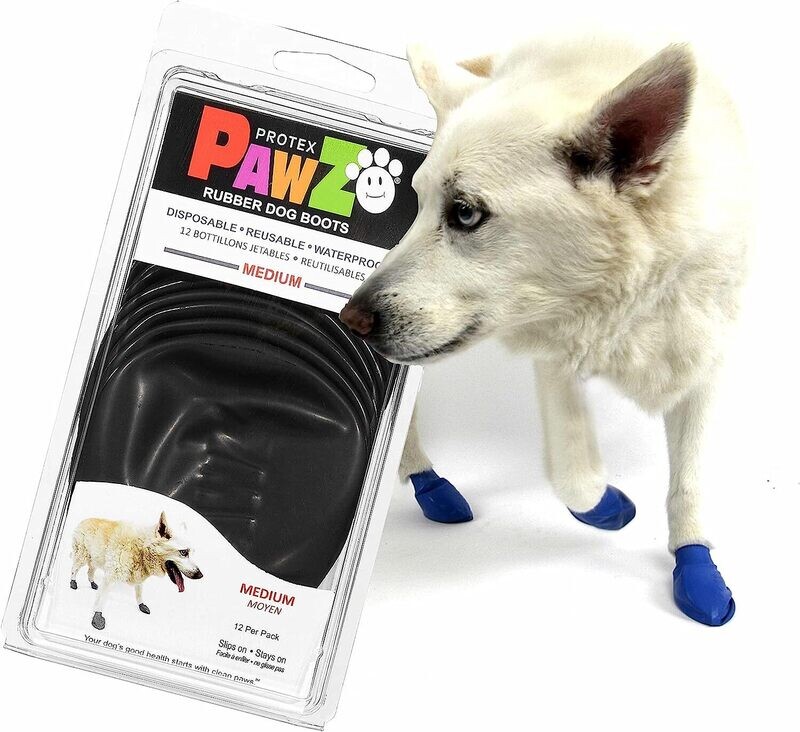 Pawz Rubber Dog Boots Medium
 Foufoubrands Neon Fouski Blue Dog Coat Large
 Canada Pooch Harness Puffer Black Size 10
 GF Pet Chalet Sweater Grey Small Dog
 Earth Rated Compostable Grooming Wipes Unscented 100ct
Each size is listed separately in the shop. Not sure which one fits? Bring your dog in, or call 905-509-3417.
More guides
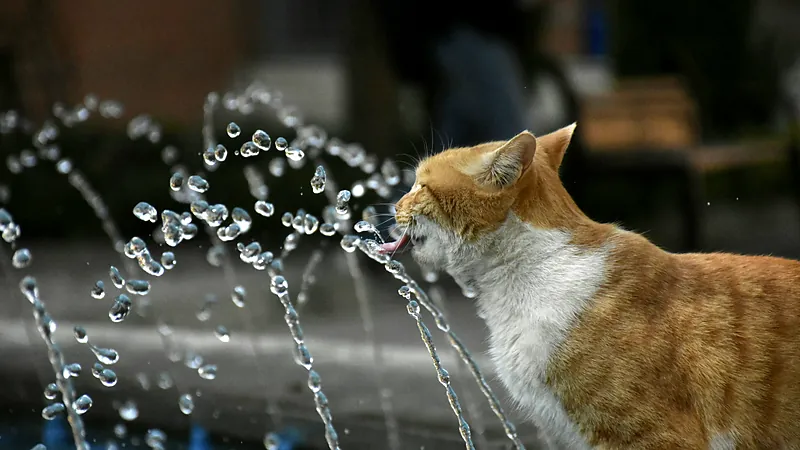
Cat water fountains: do cats need one?
Why many cats drink more from a fountain, plastic or stainless steel, where to put it, how often to clean it and change the filter, and the Catit fountains we carry.
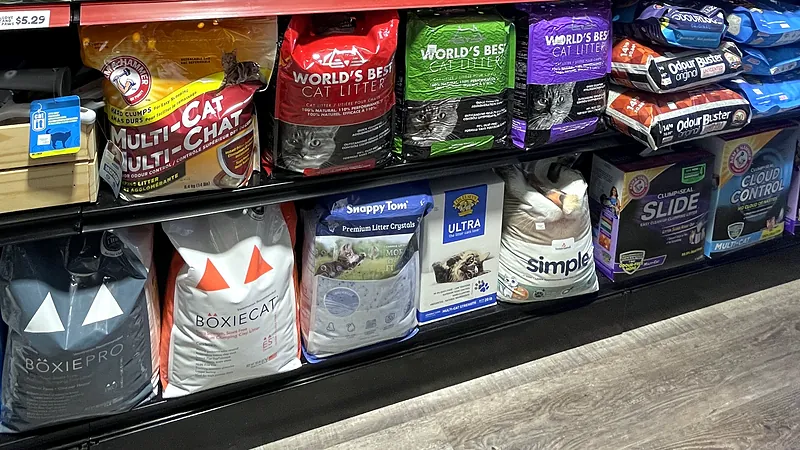
The best cat litter for your cat: types compared
Clumping clay, corn, tofu, pea, pine and crystal cat litter compared on clumping, dust, odour and weight, plus how much litter to use and how to switch.
About this guide. Written by the team at LOVE AND PAWS, the pet store at 376 Kingston Rd, Pickering. This guide is general information and is not a substitute for advice from your veterinarian.
Need help fitting boots or a coat?
376 Kingston Rd, Pickering, ON L1V 6K4 · 905-509-3417