Your cat has the final say. A litter you love but your cat avoids is the wrong litter. A cat that suddenly stops using the box may be telling you something about the litter, the box or their health.
The main types
| Type | Good for | Watch out for | At our store |
|---|---|---|---|
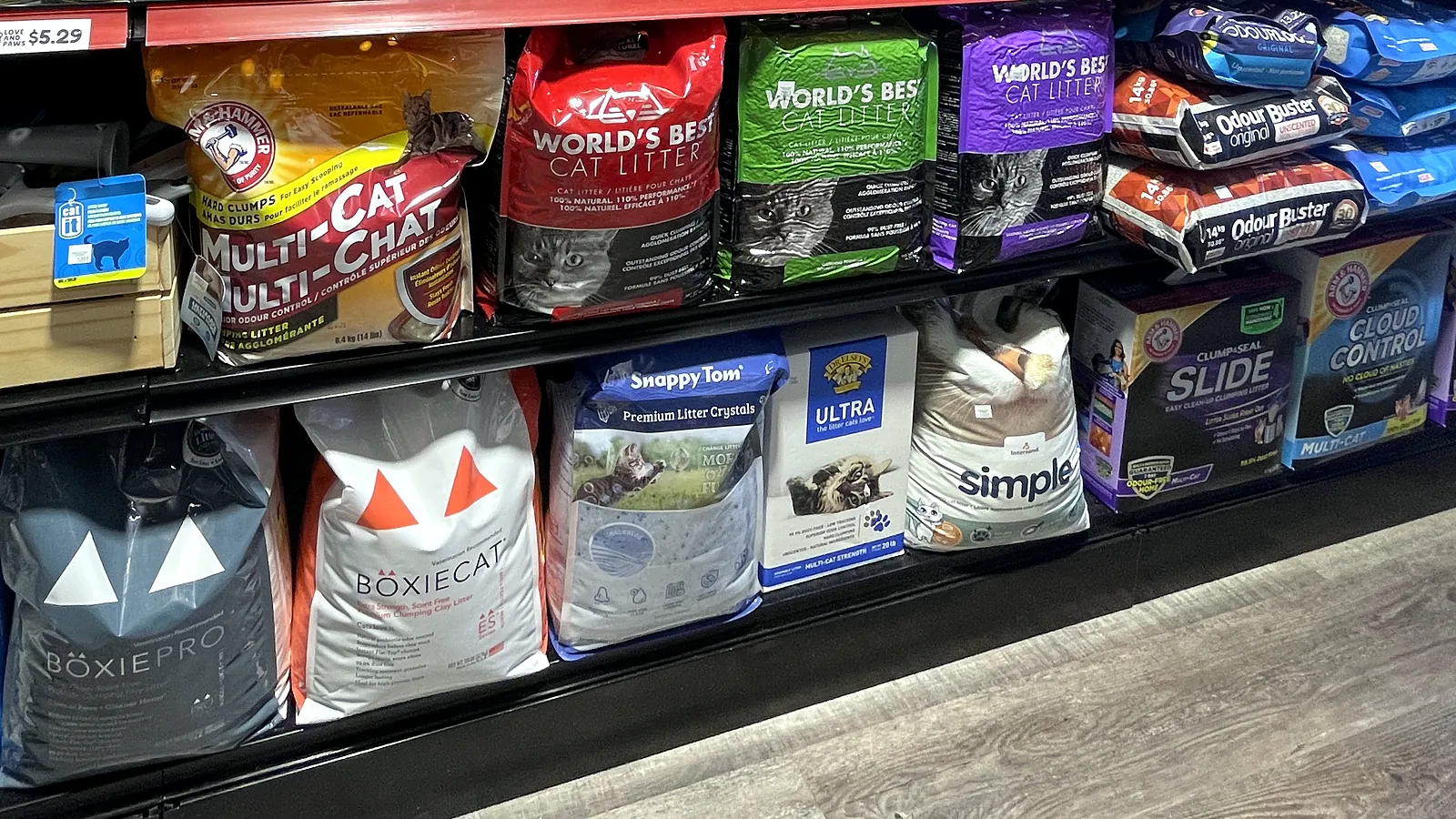
| Clumping clay | Firm clumps, easy scooping, strong odour control; most cats accept it | Heavy; some brands are dusty | Odourlock, Dr. Elsey's, Boxiecat, Arm & Hammer, Intersand Simple |
| Corn and plant clumping | Lighter, made from plants, clumps well | Keep the bag dry; some cats track it | World's Best, Sustainably Yours |
| Tofu | Very low dust, light, quick clumping | Pellets feel different under the paw | Dofu |
| Pea husk | Light, plant-based, clumping | Some cats need time to adjust | Catit |
| Pine pellets | Low cost, natural pine scent, little dust | Doesn't clump; pellets turn to sawdust that you sift out | Feline Fresh |
| Crystal | Light, absorbs well, long-lasting | Doesn't clump; some cats dislike the crunchy feel | Snappy Tom |
Unscented is usually better
Cats have a much stronger sense of smell than we do, and many avoid perfumed litter. Start with an unscented litter and control odour by scooping every day and keeping enough litter in the box.
How much litter to use
For clumping litter, fill the box to about 5 to 7 cm (2 to 3 inches). With too little, urine reaches the bottom of the pan and sticks; with too much, cats kick it out. Top up after scooping.
Switching litter
Change gradually. Mix about a quarter new litter into the old, then increase the share over a week or two. Or set up a second box with the new litter and let your cat choose.
Kittens and senior cats
- Young kittens sometimes eat litter, so many owners start them on a non-clumping or plant-based litter until they are a few months old.
- Older cats with stiff joints do better with a low entry and a soft, fine litter.
Watch the litter box. Bigger or more clumps than usual, going outside the box, or straining are worth a call to your vet. A cat that strains and passes little or no urine, especially a male cat, may have a urinary blockage, which is an emergency.
For how often to scoop and change the litter, see our cat care guide.
Litter at our store
 Odourlock Ultra Premium Unscented Clumping Litter Cat 12kg
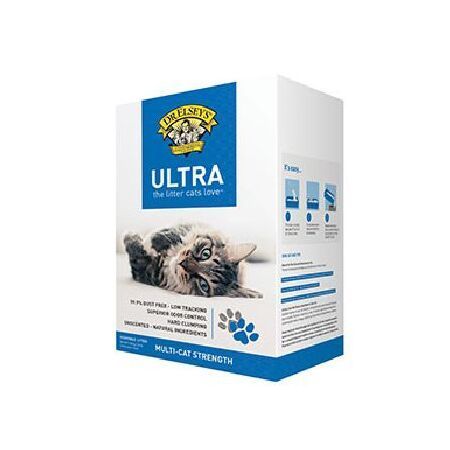 Dr.Elsey's Ultra Unscented Cat Litter 20lb
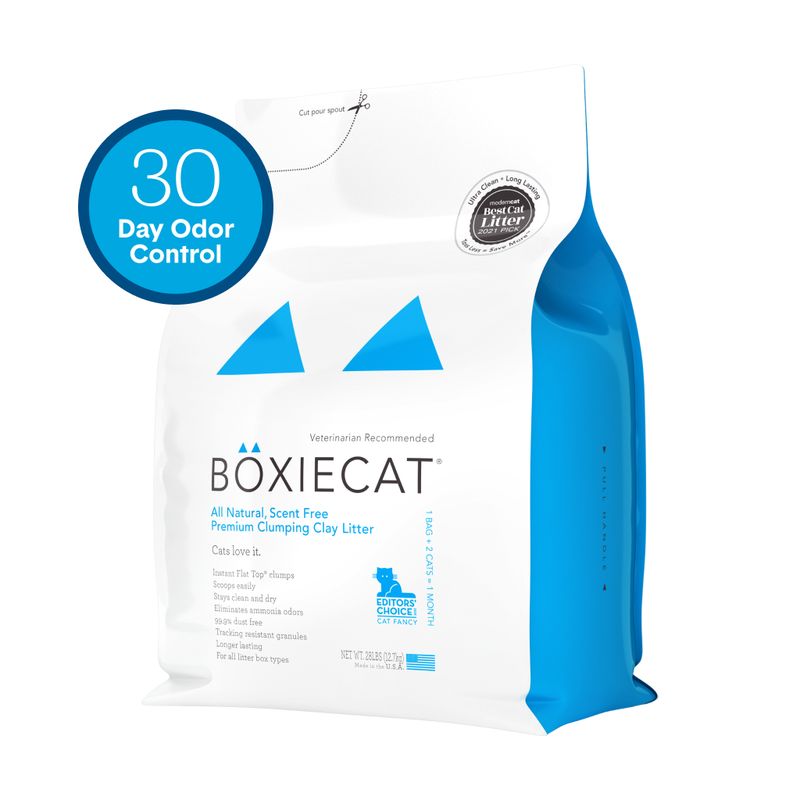 Boxie Cat Litter Scent Free 28lb
 World's Best Cat Litter Original Unscented 28lb
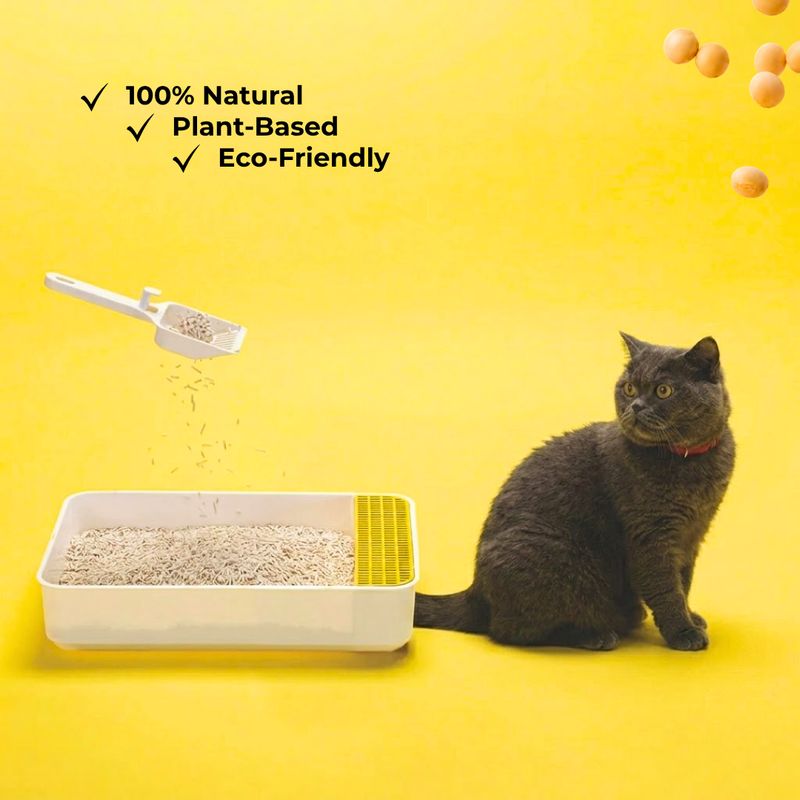 Dofu Cat Tofu Litter 6kg
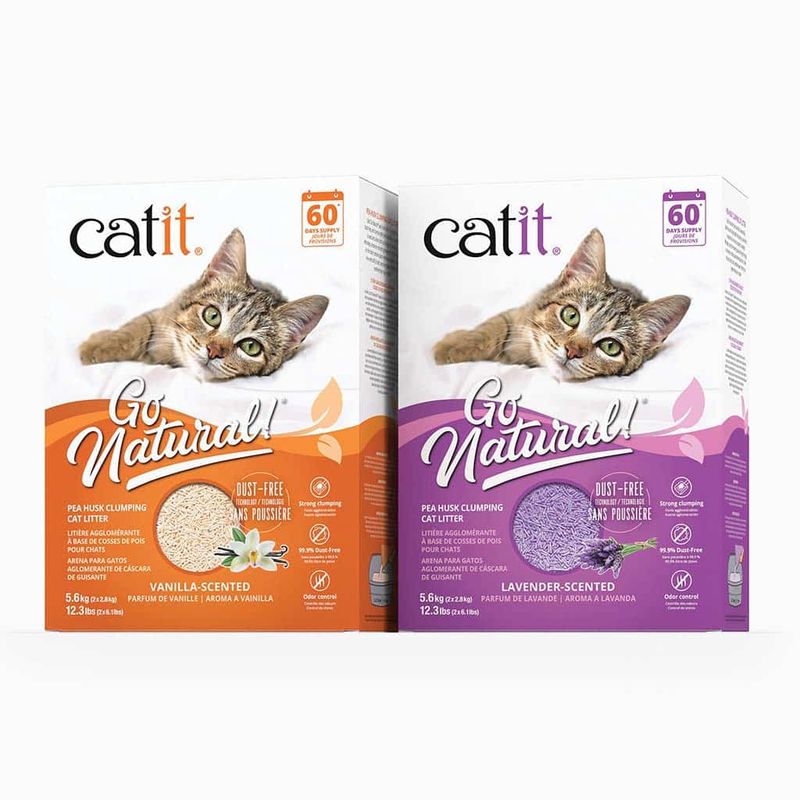 Catit Pea Husk Clumping Cat Litter 12.3lb
 Feline Fresh Odor Control Pine Pellets 20lbs 9.6kg
 Snappy Tom Natural Blue Crystal Cat Litter 4kg
Boxes and tools
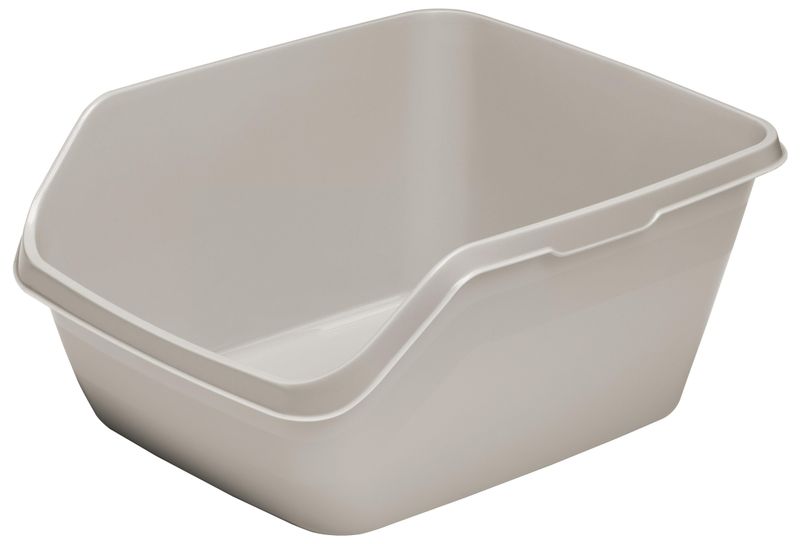 Moderna Hy Cat High Sided Litter Box Grey Large
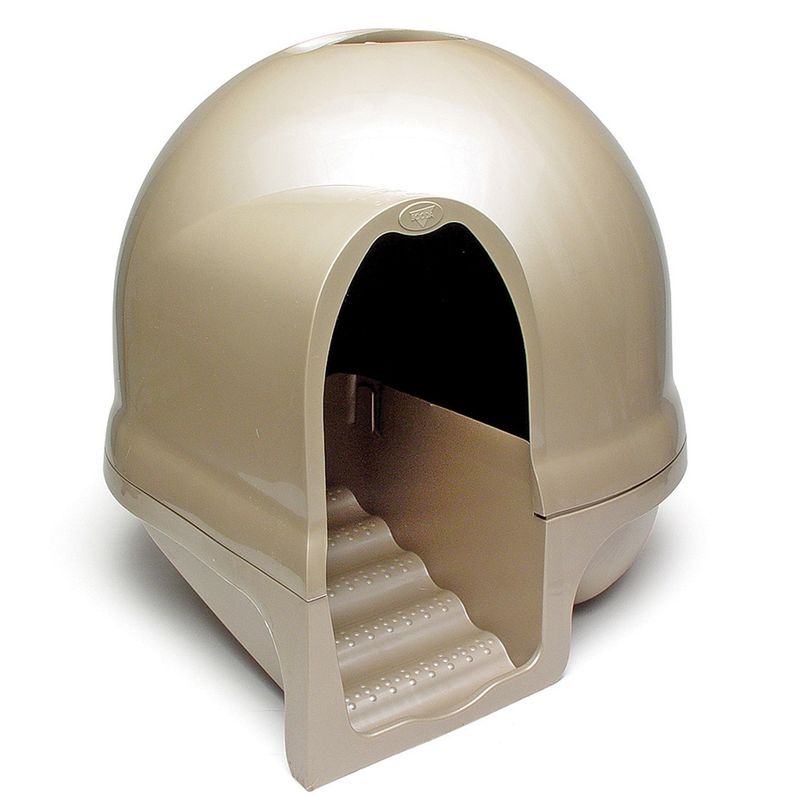 Petmate Booda Cleanstep Litter Dome For Cats Large
 Petmate Metal Litter Scoop
 Omega Paw Litter Mat
More guides
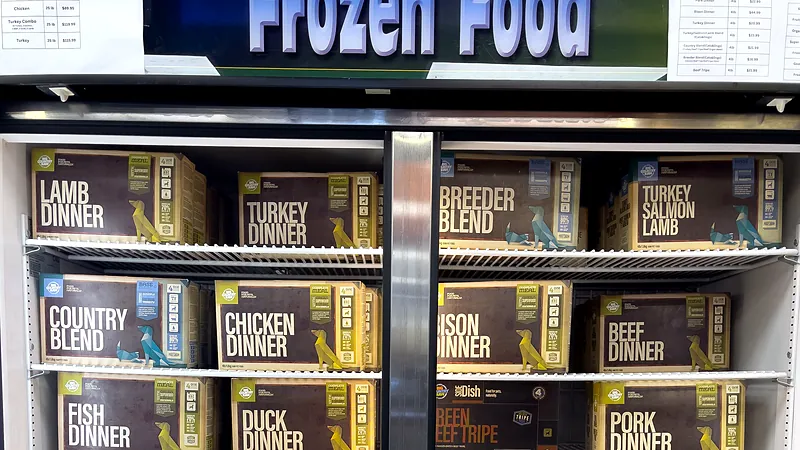
Big Country Raw: a guide to the range
A guide to the Big Country Raw range at our Pickering store: Dinners, Breeder and Country Blends, Pure single proteins, Fare Game for cats, raw bones, goat milk and Thrive oils.
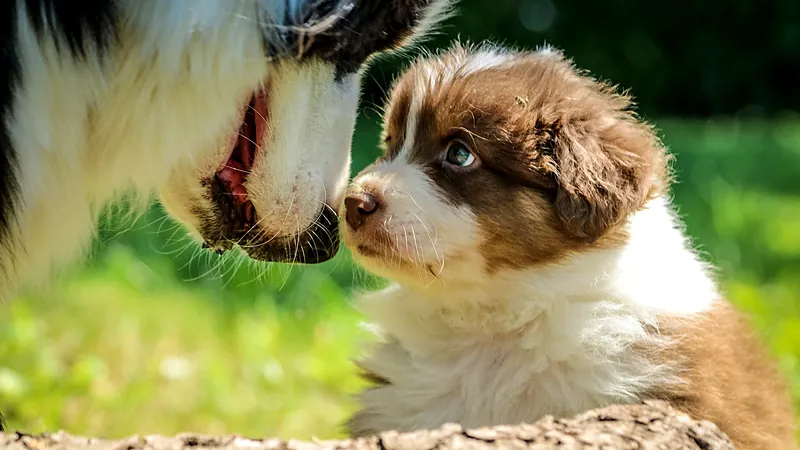
Puppy food and senior dog food: feeding at every age
How puppy food differs from adult food, large-breed puppies, how many meals a day, when to switch to adult food, and what changes for senior dogs: calories, protein, joints and teeth.
About this guide. Written by the team at LOVE AND PAWS, the pet store at 376 Kingston Rd, Pickering. This guide is general information and is not a substitute for advice from your veterinarian.
Not sure which litter to try?
376 Kingston Rd, Pickering, ON L1V 6K4 · 905-509-3417