
Cats spend hours a day grooming themselves, so it's easy to think they need nothing from us. They do: a brush now and then, short nails, healthy teeth, a clean litter box and enough water. None of it takes long once it becomes a habit, and each one helps you notice when something is wrong.
Brushing
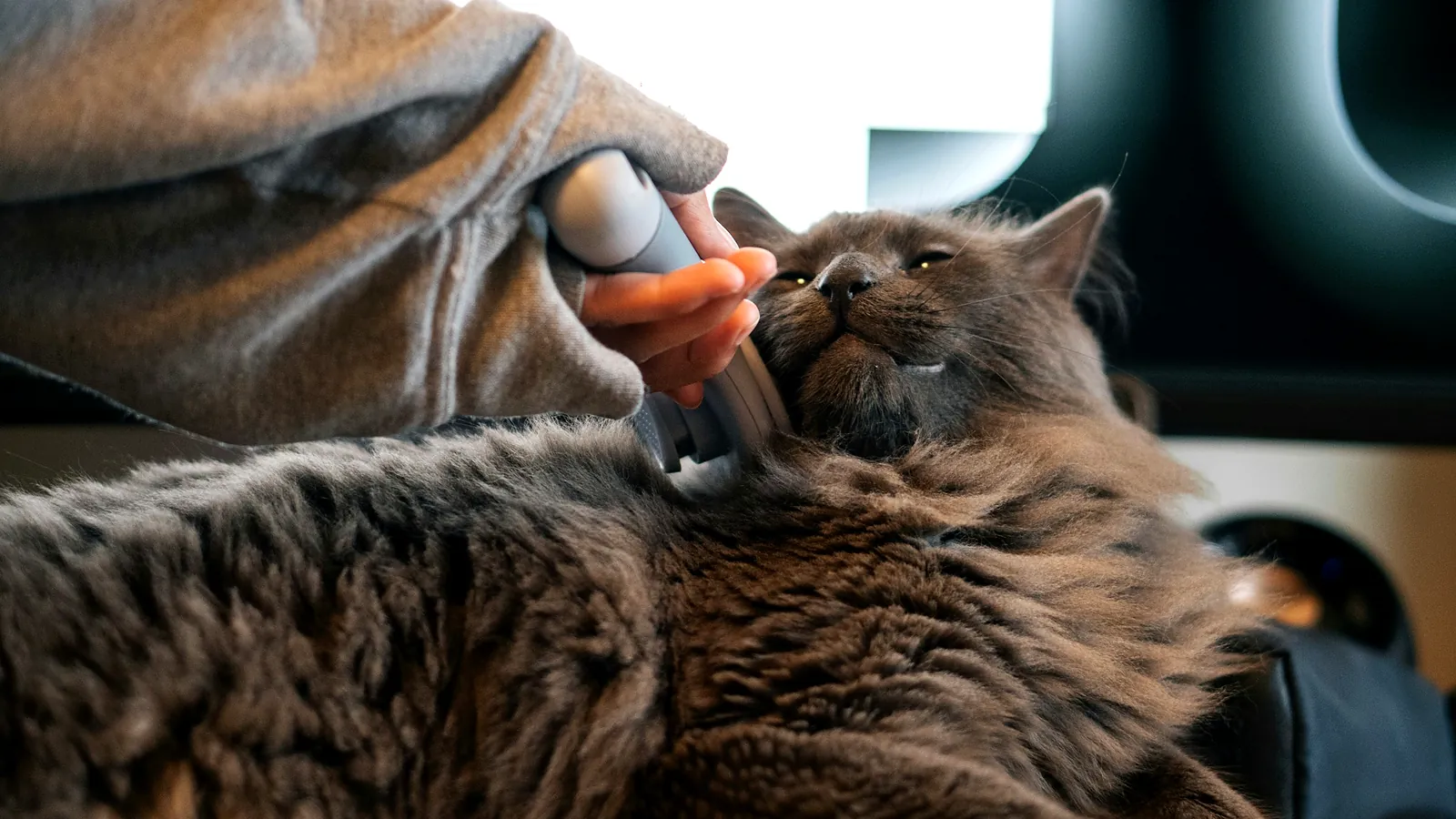
Short-haired cats do well with a brush once a week. Long-haired cats, such as Persians, Maine Coons and Ragdolls, need brushing every day or two to stop mats forming behind the ears, under the legs and on the belly. Brushing also removes loose hair your cat would otherwise swallow and bring back up as a hairball.
Keep sessions short and stop before your cat gets annoyed. A slicker brush or a rubber grooming brush suits most coats. Don't cut mats out with scissors: cat skin is thin and tears easily. A groomer can clip them out safely.
Nails
Indoor cats usually need a nail trim every 2 to 3 weeks. Press gently on the paw pad to push the claw out, and cut only the clear, sharp tip, well before the pink part inside (the quick). If you do nick the quick, press styptic powder or cornstarch on the nail until it stops bleeding. Our nail trimming guide goes step by step.
A sturdy scratching post keeps claws in shape and gives your cat somewhere to scratch that isn't the couch. Put it near where your cat sleeps or next to the furniture they already scratch.
Dental care
Dental disease is very common in adult cats. Watch for bad breath, red gums, drooling, dropping food or chewing on one side. The best home care is brushing with a toothpaste made for cats; never use human toothpaste. Start with a finger brush and a few seconds a day. Dental treats help, but they don't replace brushing or a dental check at the vet.
The litter box
- Have one box per cat, plus one extra, in quiet places.
- Scoop at least once a day.
- With clumping litter, empty the box, wash it with mild soap and refill it every 2 to 4 weeks; non-clumping litter needs changing more often.
- Most cats prefer an unscented, fine-grained clumping litter and an uncovered box. If you change litter, mix the new kind in gradually.
Call your vet right away if your cat strains in the litter box and passes little or no urine, especially a male cat. This can be a urinary blockage, which is an emergency.
Water
Cats often don't drink much on their own. Wet food adds water to the diet. Some cats drink more from a fountain or from a wide bowl that doesn't touch their whiskers. Keep water away from the food bowl and the litter box, and clean fountains and change filters as the maker directs.
Weight and checkups
Weigh your cat once a month: weigh yourself holding the cat, then subtract your own weight. Small changes are easier to catch early. Take your cat to the vet at least once a year, and more often for seniors. Changes in appetite, thirst or litter box habits are worth a call.
A simple routine
| How often | What to do |
|---|---|
| Every day | Scoop the litter, fresh water, brush long-haired cats |
| A few times a week | Brush teeth |
| Every week | Brush short-haired cats, check ears and eyes |
| Every 2 to 3 weeks | Trim nails |
| Every 2 to 4 weeks | Change all the litter, clean the fountain |
| Every year | Vet checkup |
At our store

 Dexypaws Purrfect Massage Cat Shaped Brush For Pets
 Jw Cat Nail Clipper
 Catit Pixi Fountain W Stainless Steel Top
 Feline Greenies Salmon Flavor Dental Treat 4.6oz
 Odourlock Ultra Premium Unscented Clumping Litter Cat 12kg
 Kong Naturals Cat Scratcher
For mats or a nervous cat, our groomers offer cat grooming in Pickering.
More guides
Dog grooming: what to do, how often, and why
How often to brush, bathe and trim your dog by coat type, why double coats shouldn't be shaved, winter paw care, and signs it's time for a groomer.
How to trim dog and cat nails: how often and step by step
How often to trim dog and cat nails, how to find the quick, which tools to use, what to do if a nail bleeds, and how to make nail trims calmer.
About this guide. Written by the team at LOVE AND PAWS, the pet store at 376 Kingston Rd, Pickering. This guide is general information and is not a substitute for advice from your veterinarian.
Questions about cat care?
376 Kingston Rd, Pickering, ON L1V 6K4 · 905-509-3417