
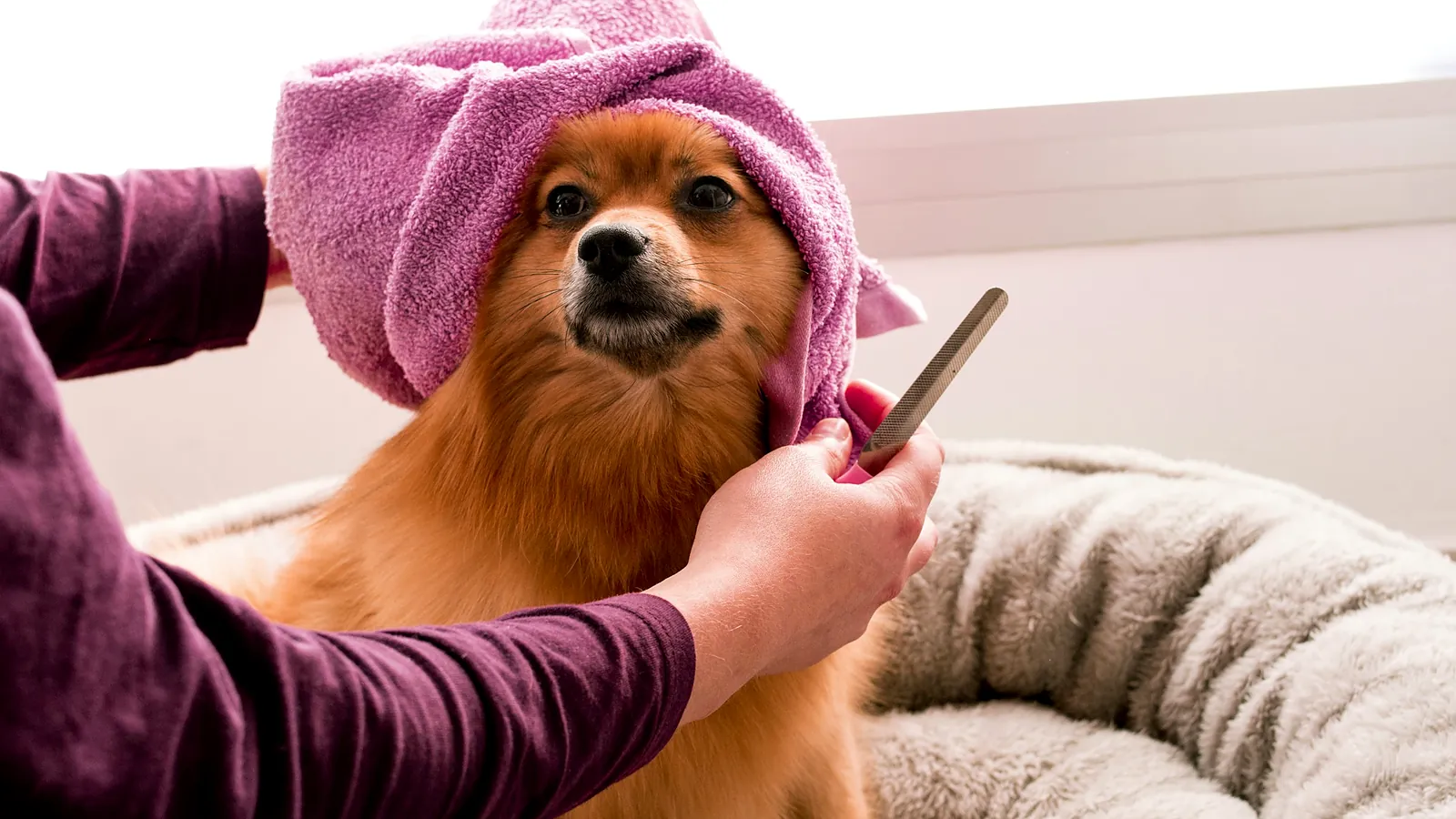
Grooming isn't only about looks. Regular brushing and bathing keep the coat from matting and the skin healthy. While you groom, you also find lumps, ticks, sore spots and ear problems early, and a dog that's used to being handled has an easier time at the vet.
How often, by coat type
| Coat | Examples | Brushing | Bath | Haircut or trim |
|---|---|---|---|---|
| Short and smooth | Boxer, Pug, Dachshund | Weekly | Every 1 to 3 months | Not needed |
| Double coat | Husky, German Shepherd, Golden Retriever | 2 to 3 times a week, daily when shedding | Every 1 to 3 months | No haircut; deshedding in spring and fall |
| Hair that keeps growing | Poodle, Doodles, Shih Tzu, Bichon | Daily or every other day | Every 4 to 8 weeks | Every 4 to 8 weeks |
| Wiry | Schnauzer, many terriers | Weekly | Every 1 to 2 months | Every 6 to 8 weeks |
These are starting points. A dog that swims, rolls in things or spends hours at the dog park will need more.
Brushing
Brush down to the skin, not only the top layer. Mats start where things rub: behind the ears, under the collar, in the armpits and between the back legs. A slicker brush and a metal comb handle most coats; double-coated dogs also need an undercoat rake or deshedding tool. If the comb won't go through, the mat is too tight to brush out. Don't cut it with scissors, because dog skin is easy to cut; a groomer can clip it out.
Bathing
Use a shampoo made for dogs. Human shampoo is made for different skin and can dry your dog's out. Rinse until the water runs clear, because leftover shampoo makes skin itch. Bathing too often strips the coat's natural oils, so for most dogs once every month or two is enough, unless your vet prescribes a medicated shampoo. In winter, dry your dog completely before going outside.
Don't shave a double coat
A double coat has a soft undercoat under longer guard hairs. It insulates against both cold and heat, and shaving it doesn't make a dog cooler in summer. Shaved double coats can also grow back patchy. Brush the loose undercoat out instead. If the coat is badly matted, your groomer will tell you what's best.
Ears, eyes, teeth and nails
- Ears: check them weekly. Wipe dirt from the outer ear with a dog ear cleaner or ear wipe. Dogs with floppy ears and dogs that swim get more ear infections; a bad smell, redness or head shaking means a trip to the vet.
- Eyes: wipe away discharge with a soft, damp cloth or an eye wipe.
- Teeth: brush with a dog toothpaste a few times a week. Never use human toothpaste.
- Nails: trim every 3 to 4 weeks. Our nail trimming guide shows how.
Winter paws
Road salt and ice are hard on paws. Wipe your dog's feet with a damp cloth after winter walks, trim the hair between the pads so ice balls don't form, and consider boots or a paw balm for long walks. Our winter paw care guide covers boots, balm and salt in detail.
Signs it's time for a groomer
- Mats you can't comb out
- Hair growing over the eyes or long hair between the pads making your dog slip
- A strong smell soon after a bath
- Nails clicking on the floor
- Scooting, which can mean full anal glands: a groomer or your vet can check
Grooming supplies at our store

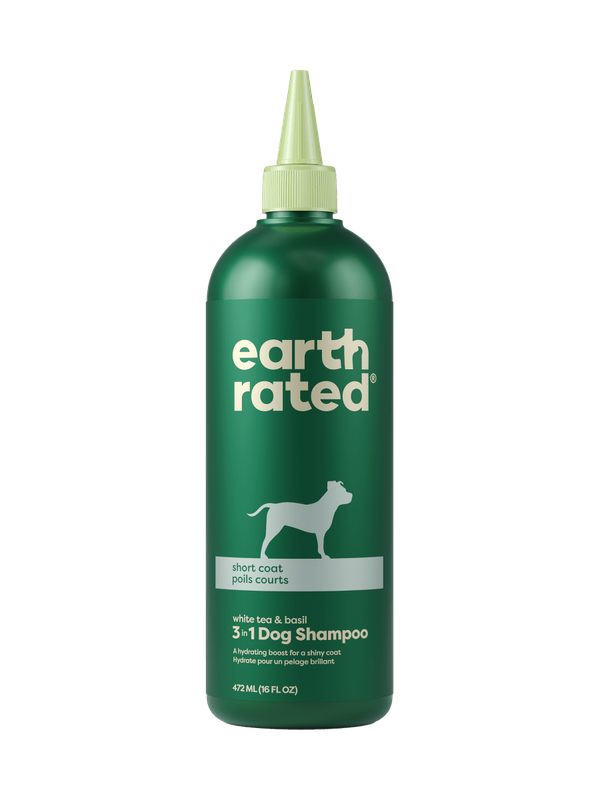 Earth Rated Short Coat Shampoo
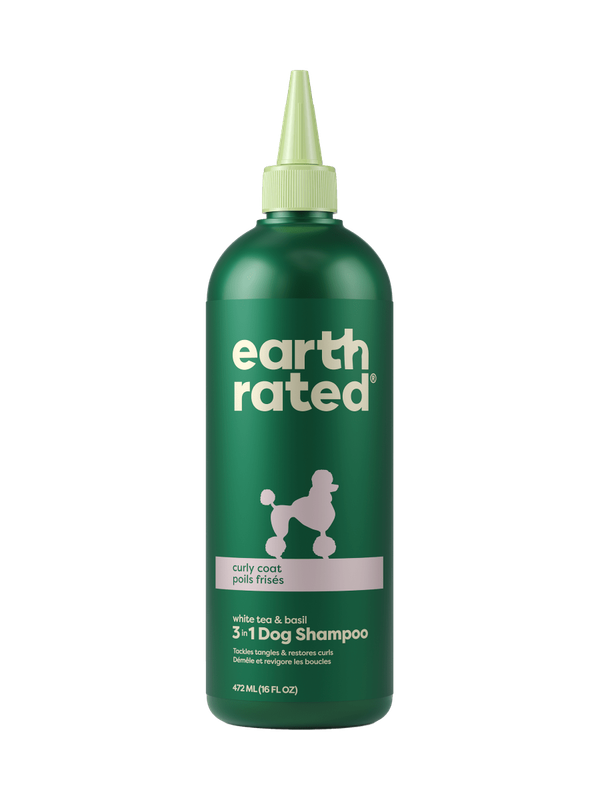 Earth Rated Curly Coat Dog Shampoo
 EQyss Avocado Conditioner 473ml Dog And Cat
 Dexypaws Slicker Brush Large
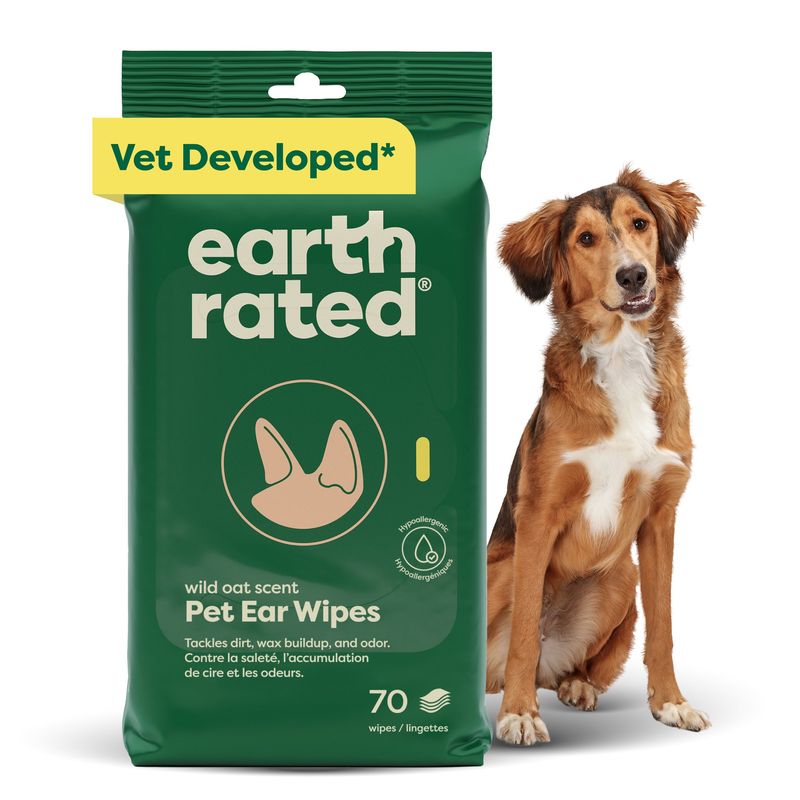 Earth Rated Pet Ear Wipes
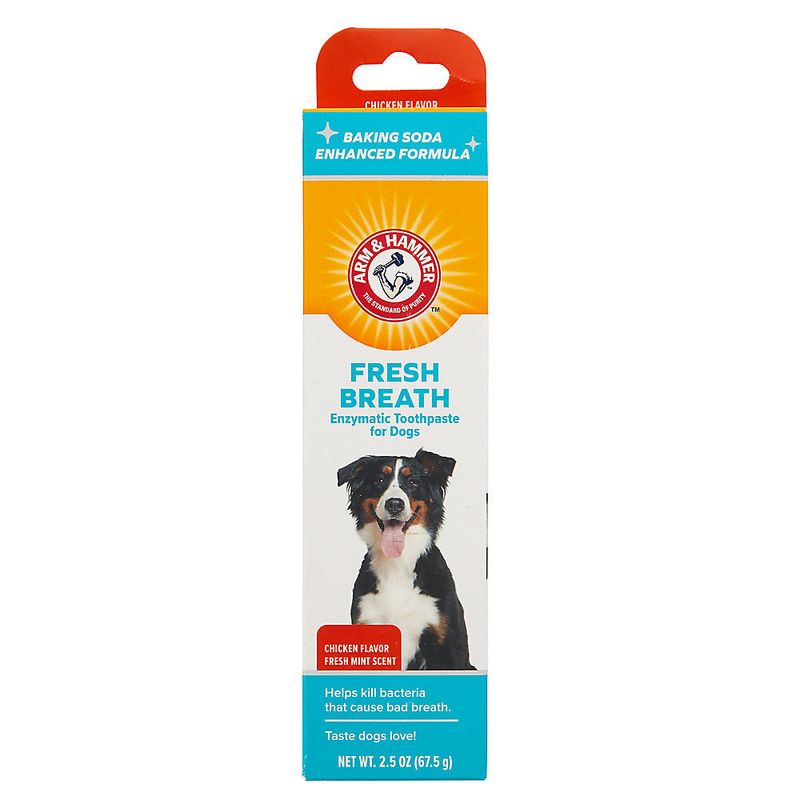 Arm & Hammer Advanced Care Enzymatic Toothpaste For Dogs
If you'd rather leave it to a professional, see our grooming services.
More guides
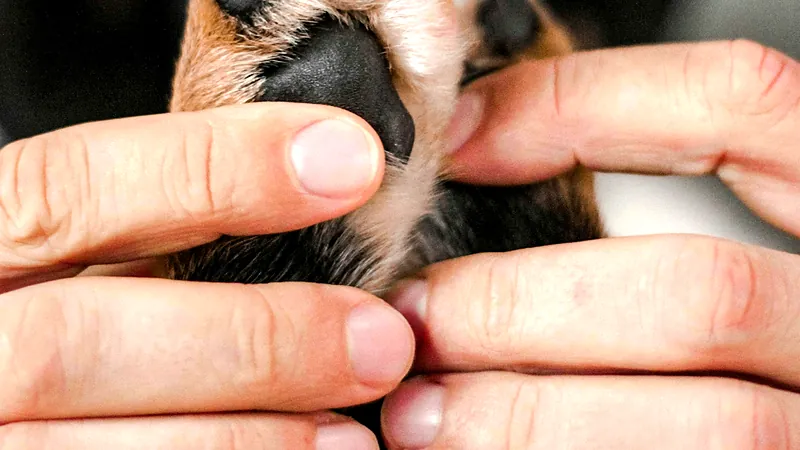
How to trim dog and cat nails: how often and step by step
How often to trim dog and cat nails, how to find the quick, which tools to use, what to do if a nail bleeds, and how to make nail trims calmer.

Dog diarrhea and constipation: when pumpkin helps
What causes diarrhea and constipation in dogs and cats, how plain pumpkin helps and how much pumpkin to give, pumpkin treats and foods, and signs that need a vet.
About this guide. Written by the team at LOVE AND PAWS, the pet store at 376 Kingston Rd, Pickering. This guide is general information and is not a substitute for advice from your veterinarian.
Questions about grooming?
376 Kingston Rd, Pickering, ON L1V 6K4 · 905-509-3417