

Puppies
Choose a food made for growth
Puppies need more calories, protein and certain minerals than adult dogs. Look for a statement that the food is complete and balanced for growth, or for all life stages. If your puppy will weigh 32 kg (70 lb) or more as an adult, the label should also say it covers the growth of large-size dogs. Large-breed puppies need carefully controlled calcium so their bones grow at the right pace. Fromm Gold Puppy, for example, is formulated for growth including large breeds.
Don't add calcium or other supplements to a complete puppy food unless your vet tells you to.
How often to feed
| Age | Meals a day |
|---|---|
| 8 to 12 weeks | 4 |
| 3 to 6 months | 3 |
| 6 months and older | 2 |
Follow the feeding guide on the bag and weigh your puppy every week or two. Keep treats under about 10 percent of the day's food, which matters even more while a puppy is growing.
When to switch to adult food
| Adult size | Switch at about |
|---|---|
| Small (under 10 kg / 22 lb) | 9 to 12 months |
| Medium (10 to 25 kg / 22 to 55 lb) | 12 months |
| Large (25 to 45 kg / 55 to 100 lb) | 12 to 18 months |
| Giant (over 45 kg / 100 lb) | 18 to 24 months |
Your vet can tell you when your puppy has finished growing. Change foods over 7 to 10 days; our raw diet guide has a day-by-day switching table that works for any food.
Senior dogs
Dogs are usually considered seniors from about 7 years old. Large breeds age sooner and small breeds later.
What changes
- Calories: many older dogs are less active and gain weight easily. Weigh your dog monthly and adjust portions; a lean dog moves more easily.
- Protein: healthy senior dogs still need good-quality protein to keep their muscle. Don't cut protein unless your vet advises it, for example for kidney disease.
- Joints: some senior foods add glucosamine, chondroitin or fish oil. Our fish oil guide explains how to add it.
- Teeth: sore teeth make kibble hard to eat. Adding warm water, a softer food or a wet topper helps, and so does a dental check.
- Appetite: if your senior dog turns picky, warm the food slightly or try a topper. A sudden change in appetite, thirst or weight needs a vet visit.
There is no official nutrient standard for senior food, so recipes vary a lot between brands. Compare calories and protein on the label instead of choosing on the word "senior" alone. Most vets suggest a checkup every six months for senior dogs.
At our store

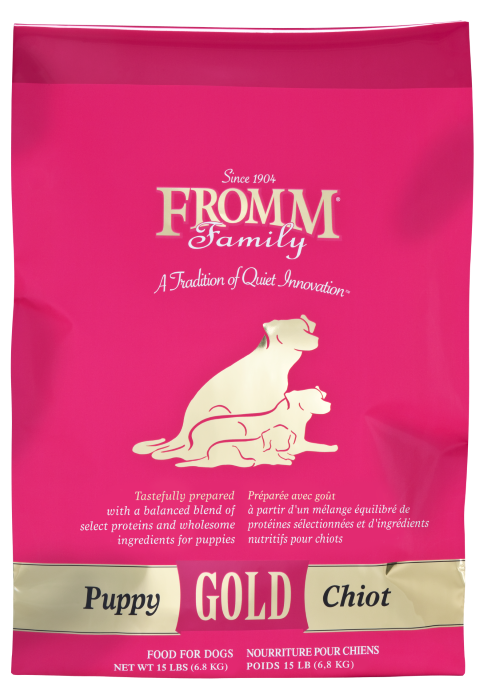 Fromm Gold Puppy Dry Food 15lb
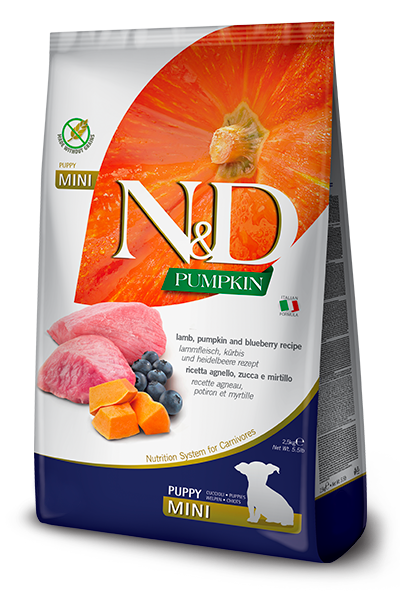 Farmina N&D Pumpkin Lamb & Blueberry Mini Puppy Food 2.5kg
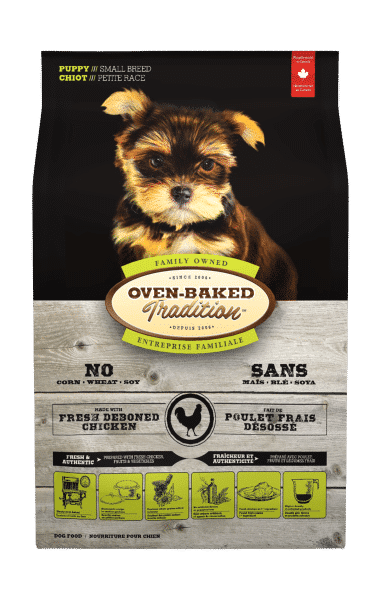 Oven Baked Puppy Small Breed Chicken 12.5lb
 Kong Puppy Small Natural Teething Rubber
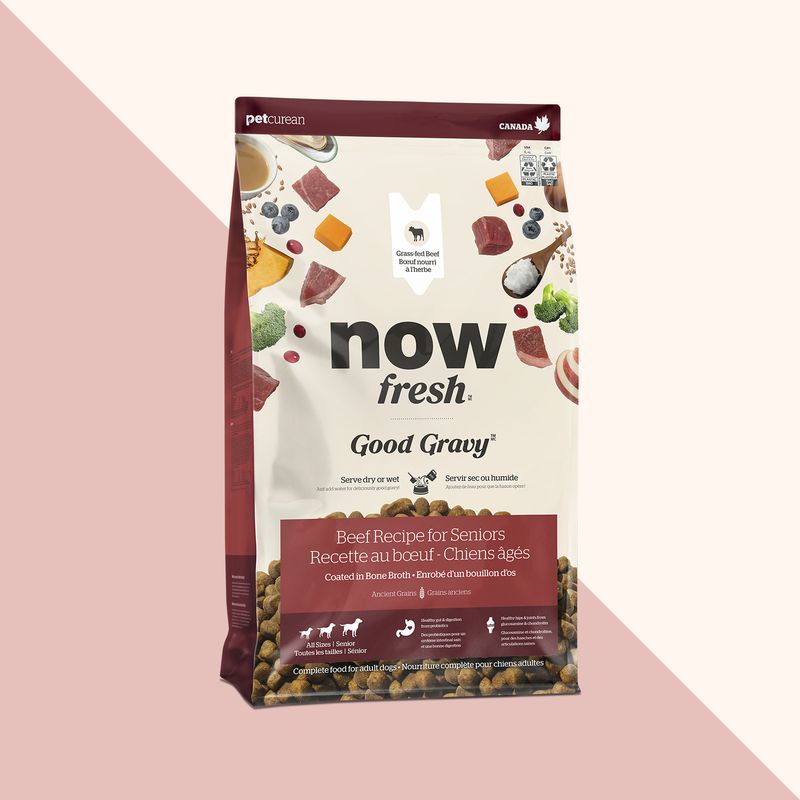 Now Fresh Good Gravy Beef Recipe Senior Dog 3.5lb
 Oven Baked Senior Small Breed Dog Dry Food 12.5lb
 BCR Thrive Salmon Oil 500ml
More guides

Bully sticks and dog chews: are they safe?
What bully sticks are, how many calories they have, how to give them safely (sizes, holders, when to take them away), and how antlers, yak chews, no-hide chews and rawhide compare.

Cat hairballs: remedies that work and when to see a vet
Why cats get hairballs, how often is normal, remedies that help (brushing, hairball gels, food, water) and the signs that mean a vet visit.
About this guide. Written by the team at LOVE AND PAWS, the pet store at 376 Kingston Rd, Pickering. This guide is general information and is not a substitute for advice from your veterinarian.
Questions about feeding your puppy or senior dog?
376 Kingston Rd, Pickering, ON L1V 6K4 · 905-509-3417