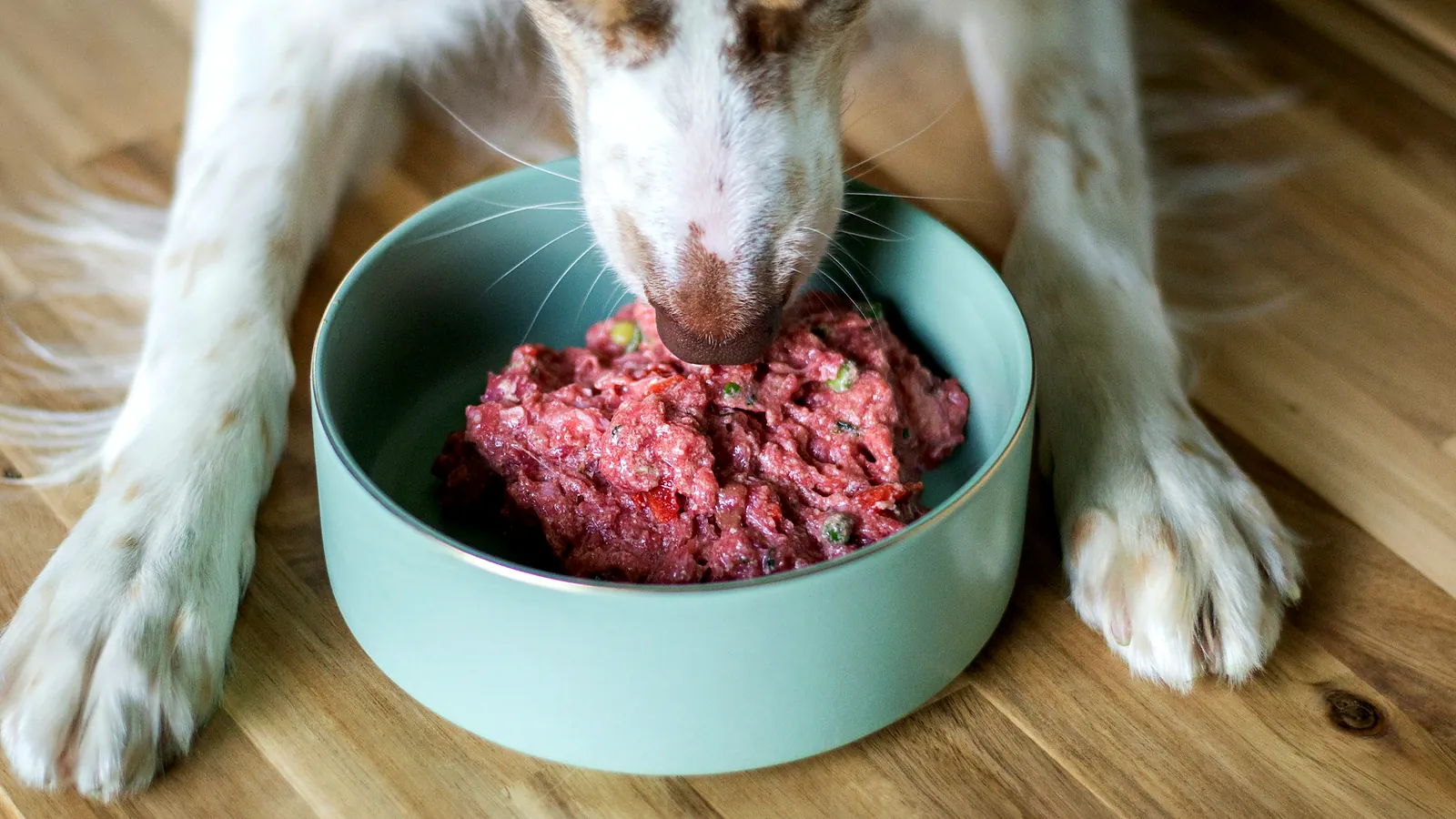
Raw feeding means giving your pet uncooked meat, organ and bone, usually as a ready-made frozen meal that you thaw and serve. New raw feeders ask us the same few questions at our freezers: which food to start with, how much to feed, and how to make the switch without an upset stomach. This guide answers them.
What raw food looks like
Most raw food is sold frozen, in patties, nuggets, tubs or one-pound portions packed in a box. You move a day's portion to the fridge, let it thaw and serve it cold.
Freeze-dried and dehydrated raw have the water taken out, so they keep in the cupboard. You add water before serving. They cost more per meal than frozen raw but are easier to store and travel with. Our guide to kibble, dehydrated and freeze-dried food compares them.
Single items such as beef tripe, chicken necks and chicken feet are extras. They are good for variety and chewing, but they are not complete meals on their own.
Is raw right for your pet?
Veterinarians disagree about raw feeding. The main concern is bacteria such as Salmonella and Listeria, which raw meat can carry and which can make pets and people sick. Careful handling lowers that risk (see below), but it does not remove it.
Talk to your vet before switching if:
- your pet is a puppy or kitten, a senior, or has a health condition such as pancreatitis or kidney disease;
- someone in your home is pregnant, very young, elderly, or has a weakened immune system.
If raw isn't a good fit for your home, gently cooked food is a cooked alternative made from similar fresh ingredients.
Choose a complete and balanced food
Look on the package for a statement that the food is complete and balanced for your pet's life stage, usually against the AAFCO nutrient profiles. Products labelled for supplemental or intermittent feeding should not be the whole diet. If the label is unclear, bring it to the counter and we will read it with you.
Start with one protein. Chicken and turkey are common first choices. If your pet has a known food sensitivity, pick a protein they have eaten before without trouble.
How much to feed
Start with the feeding guide on the package. As a rough rule, adult dogs eat about 2 to 3 percent of their ideal body weight per day, split into two meals. Puppies and very active dogs need more; older, less active or overweight dogs need less. Adult cats usually eat about 2 to 4 percent.
| Adult dog's ideal weight | Food per day at 2.5% |
|---|---|
| 5 kg (11 lb) | 125 g (4.4 oz) |
| 10 kg (22 lb) | 250 g (8.8 oz) |
| 20 kg (44 lb) | 500 g (1.1 lb) |
| 30 kg (66 lb) | 750 g (1.7 lb) |
| 40 kg (88 lb) | 1 kg (2.2 lb) |
These numbers are a starting point. Weigh your pet every two weeks for the first two months. If they gain weight, feed a little less; if they lose weight they don't need to lose, feed a little more.
Switch over 7 to 10 days
A gradual change gives the stomach time to adjust. A simple plan for dogs:
| Days | Raw | Current food |
|---|---|---|
| 1 to 3 | 25% | 75% |
| 4 to 6 | 50% | 50% |
| 7 to 9 | 75% | 25% |
| 10 | 100% | 0% |
Some owners prefer to feed raw and the old food at separate meals during the switch. If stools stay loose for more than a day or two, go back a step and slow down. If your pet vomits, has diarrhea for more than a day, or seems unwell, call your vet. Our guide to diarrhea, constipation and pumpkin covers upset stomachs in more detail.
Cats are often slower to accept a new food. Mix in a small amount and be patient. Many cats like their food closer to body temperature: set the bowl in a little warm water for a few minutes. Never microwave raw food.
Thawing and handling raw food
- Thaw in the fridge. Move tomorrow's portion from the freezer to the fridge tonight. Don't thaw raw food on the counter or in the microwave.
- Keep thawed food covered on the bottom shelf of the fridge, away from your own food. Use it within the time printed on the package and don't refreeze it.
- Serve it cold and pick up anything left in the bowl after 20 minutes.
- Wash bowls, cutting boards, counters and your hands with hot, soapy water after every meal.
Raw bones
Raw meaty bones, such as chicken necks, give dogs something to chew. Always feed bones raw: cooked bones splinter. Choose a size your dog can't swallow whole and stay with your dog while they chew. Dogs that gulp their food may do better without bones. See our raw bones.
Raw food at our Pickering store

Our freezers carry Big Country Raw, Congo Raw, Ironwill and Faim Museau for dogs, and Big Country Raw and Vital Essentials for cats. Frozen food is sold in the store: call 905-509-3417 to check what is in stock or to ask us to set a box aside.

 BCR Chicken Dinner Carton – 4 Lb 1.8kg
 Congo Chicken Dinner 4lbs
 Ironwill Canine Complete Pork Dinner 6lb
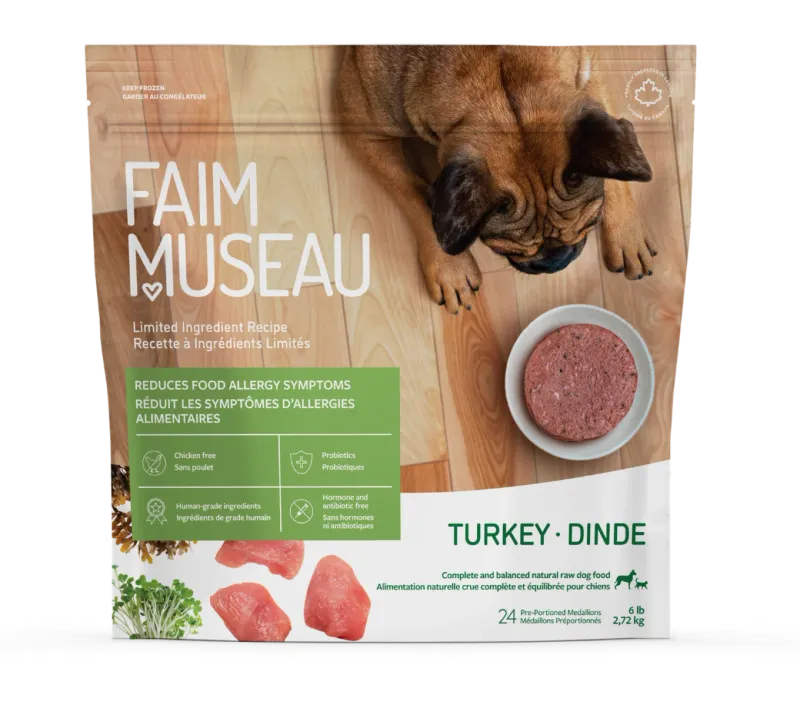 Faim Museau Turkey 6lb
 Congo Chicken Neck 2lbs
Questions we hear often
Can I mix raw food and kibble?
Yes. Many owners feed both, either mixed during a switch or at separate meals. If your pet's stomach is sensitive, separate meals make it easier to tell which food causes a problem.
Do I need to add supplements?
Not with a food labelled complete and balanced. Homemade raw diets are much harder to balance. If you want to make your own, work with your vet or a veterinary nutritionist.
My dog's stool is smaller on raw. Is that normal?
Yes. Owners often notice smaller, firmer stools after switching to raw. Call your vet if you see diarrhea that lasts more than a day, blood, or constipation.
More guides
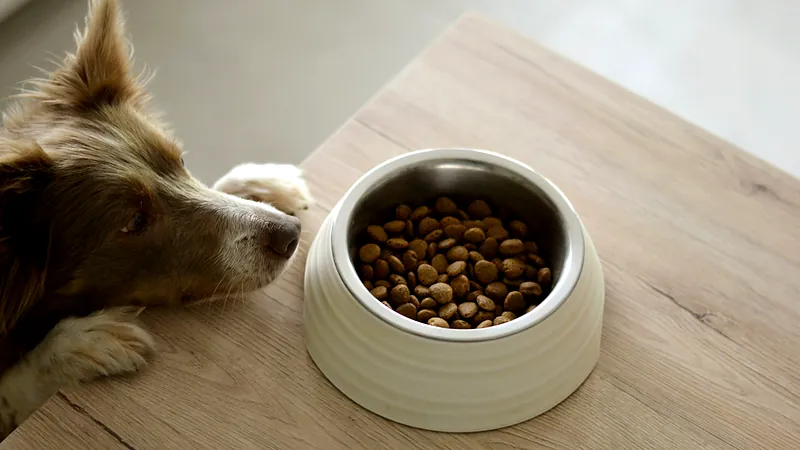
Freeze-dried, dehydrated or kibble: what's the difference?
How kibble, dehydrated and freeze-dried raw dog food are made, how to serve and store each one, how they compare on cost, and how to choose.
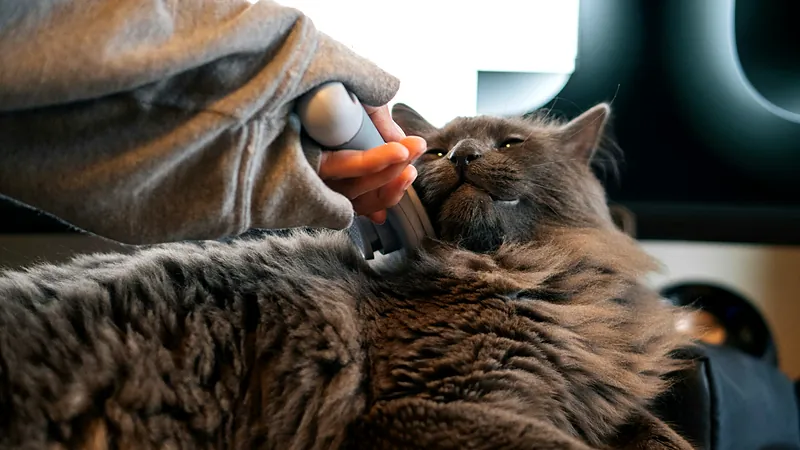
Cat care basics: brushing, nail trims, dental care, litter and water
A simple cat care routine: how often to brush, trim nails and change the litter, how to look after teeth, and how to help your cat drink more water.
About this guide. Written by the team at LOVE AND PAWS, the pet store at 376 Kingston Rd, Pickering. This guide is general information and is not a substitute for advice from your veterinarian.
Questions about raw feeding?
376 Kingston Rd, Pickering, ON L1V 6K4 · 905-509-3417