
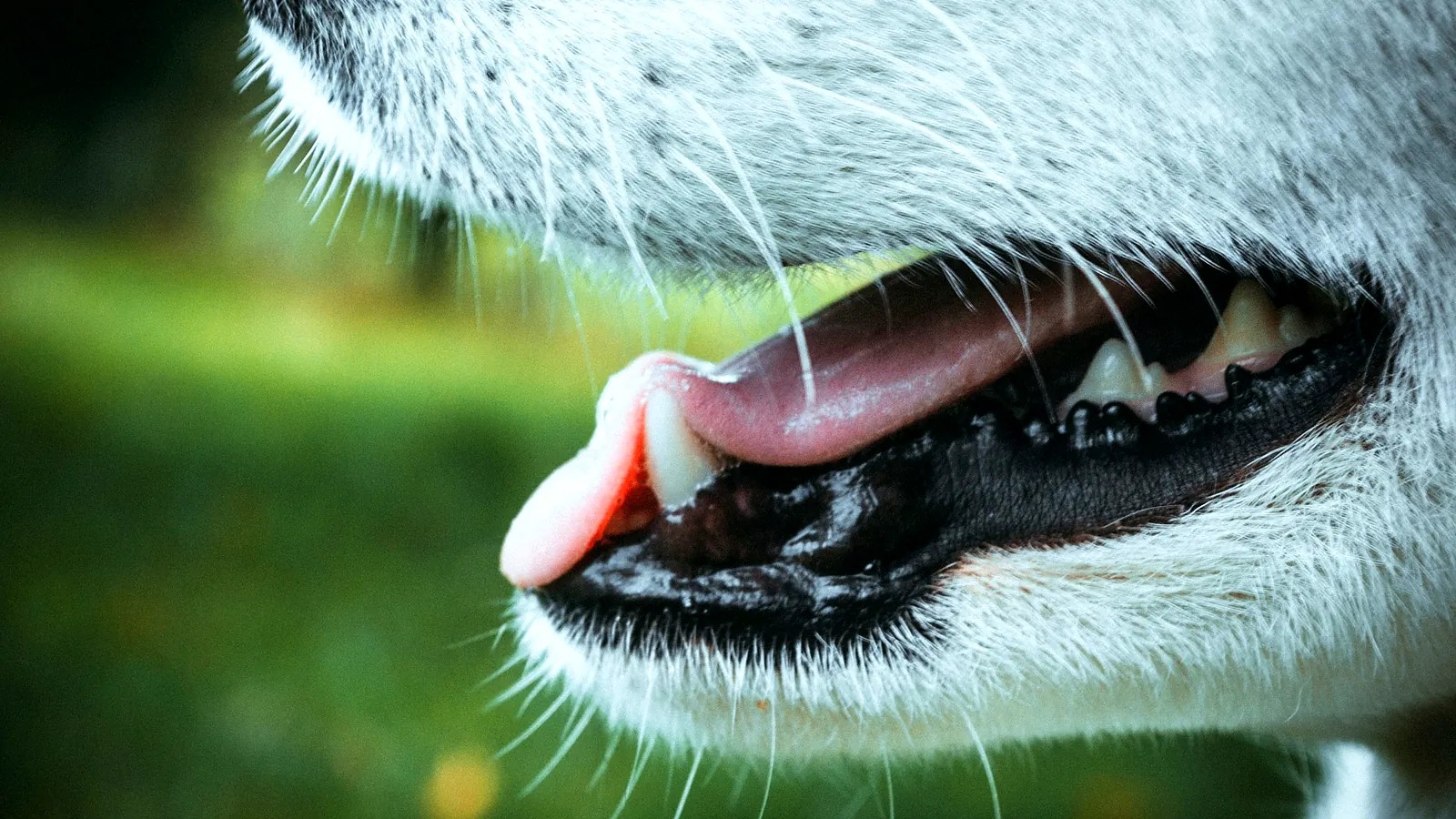
Dental disease is one of the most common health problems in dogs: the American Veterinary Medical Association notes that most dogs show some signs of it by age three. Plaque hardens into tartar, gums get inflamed, and over time teeth loosen and hurt. Most of it can be slowed with home care.
Signs of dental problems
- Bad breath
- Yellow or brown tartar along the gum line
- Red, swollen or bleeding gums
- Drooling, pawing at the mouth, dropping food or chewing on one side
Any of these is a reason for a dental check at your vet.
How to brush your dog's teeth
Brushing is the most effective home care. Daily is best; a few times a week still helps a lot.
- Use a toothpaste made for dogs. Never use human toothpaste: some contain xylitol, which is toxic to dogs, and dogs swallow it.
- Start slowly. Let your dog lick the toothpaste off your finger, then rub a finger along the teeth and gums for a few days.
- Move to a finger brush or a soft dog toothbrush. Lift the lip and brush in small circles along the gum line.
- Focus on the outside surfaces of the back teeth, where tartar builds up fastest. Most dogs don't need the inside surfaces brushed.
- Keep it to a minute or two, and finish with praise or a walk.
Dental chews, powders and water additives
These help, but they don't replace brushing:
- Dental chews scrape plaque as your dog chews. Pick the right size for your dog, count them in the day's food, and look for the Veterinary Oral Health Council (VOHC) seal, which means the maker has shown it reduces plaque or tartar.
- Powders such as ProDen PlaqueOff are sprinkled on food.
- Water additives and sprays, such as TropiClean Fresh Breath and Bluestem, are easy for dogs that won't tolerate brushing.
- Chew toys keep dogs chewing; avoid very hard chews that can break teeth. Our chews guide explains the fingernail test.
Professional cleaning
Once tartar forms, brushing can't remove it. Your vet cleans above and below the gum line under anesthesia and checks for loose or broken teeth, often with X-rays. "Anesthesia-free" cleanings only scrape the visible tartar and can't treat disease below the gums, so veterinary groups don't recommend them.
Small dogs and puppies
Small breeds tend to have crowded teeth and more dental disease, so start home care early. Puppies who get used to having their mouth handled are much easier to brush as adults. Our puppy and senior guide covers teething and older dogs' teeth.
Dental care at our store
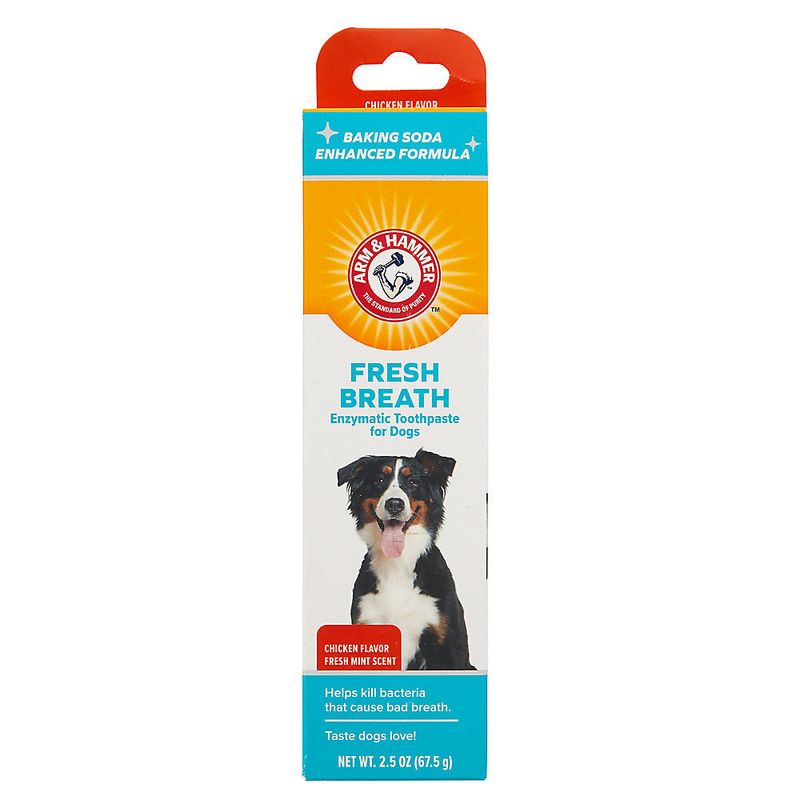 Arm & Hammer Advanced Care Enzymatic Toothpaste For Dogs
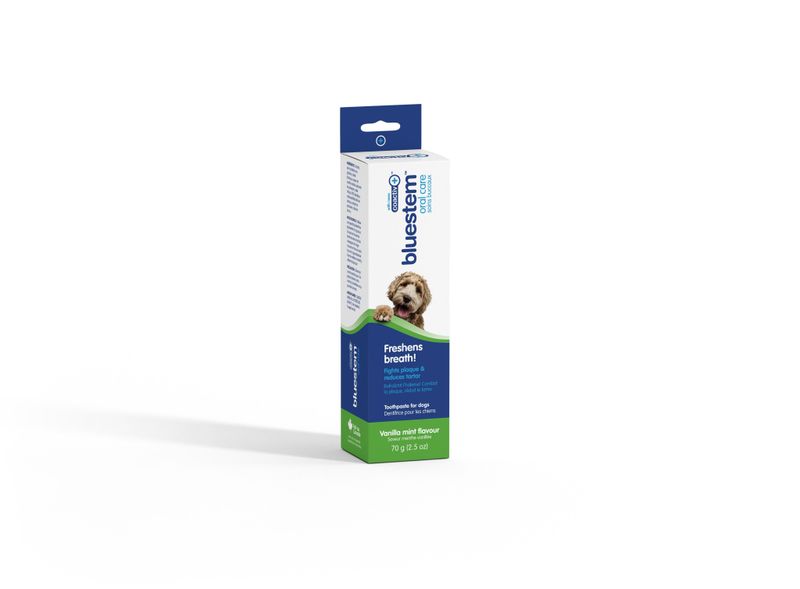 Bluestem Toothpaste Vanilla Mint Flavor For Dogs
 Animora Double Headed Toothbrush
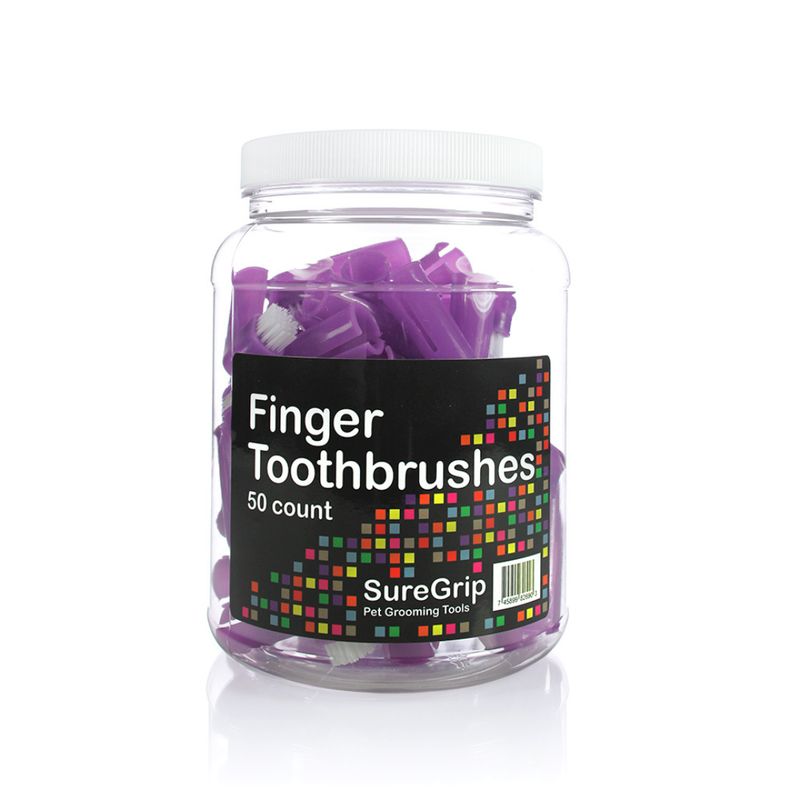 Finger Toothbrushes
 Greenies Original Dog Dental Treats Large 27oz
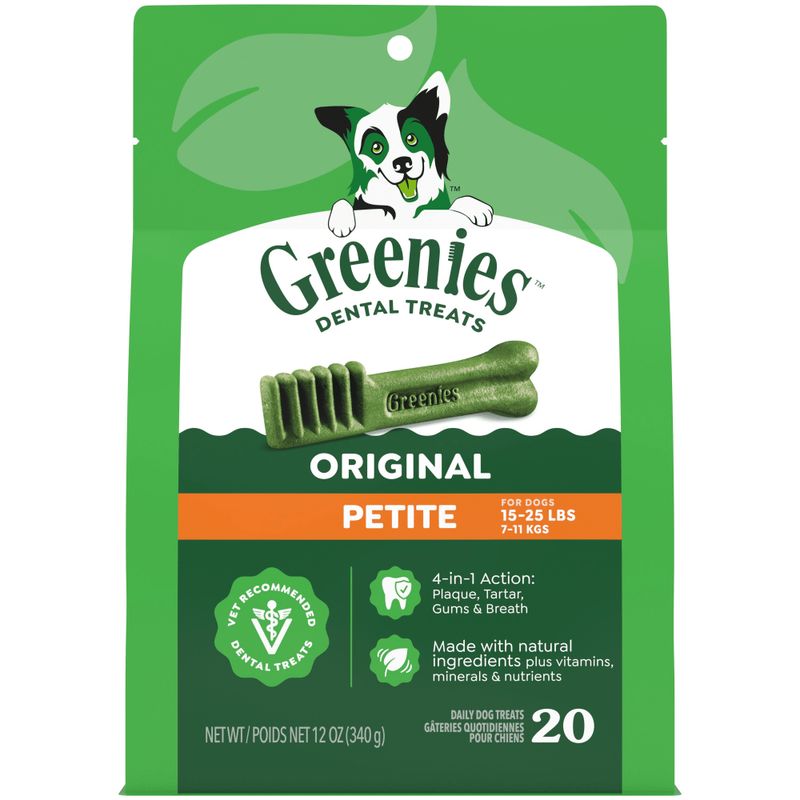 Greenies Dog Dental Treats Original Petite 3oz
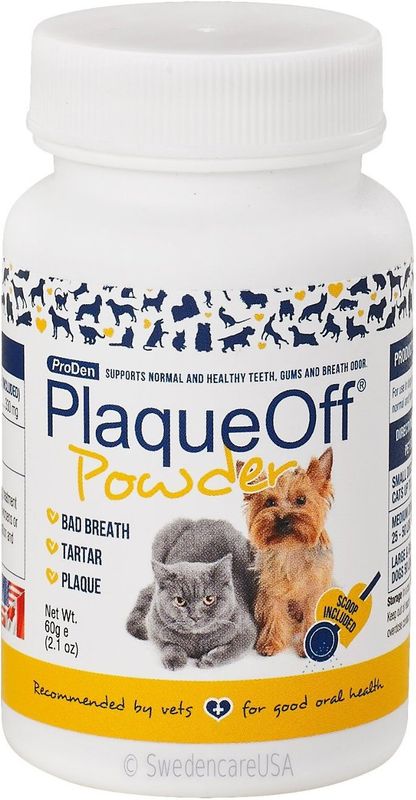 ProDen Plaque Off Powder 60g
 Tropiclean Fresh Breath Dental Health Solution For Dogs
More guides

Cat toys: how to play with your cat
Which cat toys keep indoor cats active, how to play like a hunt, catnip and silver vine, laser pointer tips, and toy safety.
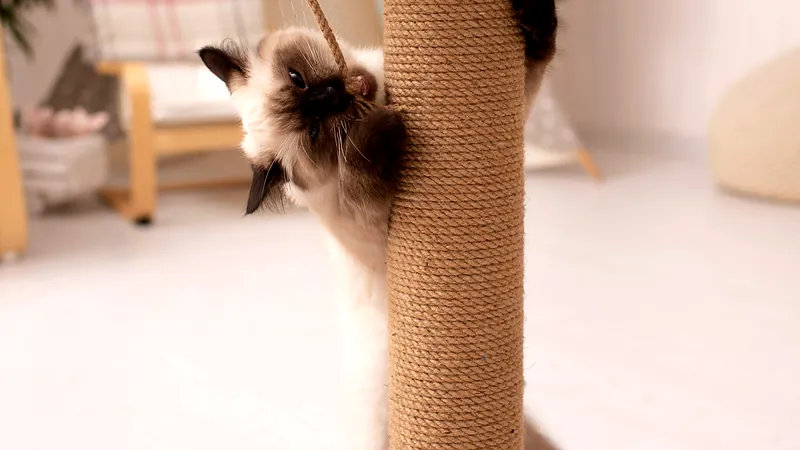
Cat scratching posts: stop scratching the couch
Why cats scratch, how to choose a scratching post or cat tree (height, stability, sisal or cardboard), where to put it, and how to stop a cat scratching furniture.
About this guide. Written by the team at LOVE AND PAWS, the pet store at 376 Kingston Rd, Pickering. This guide is general information and is not a substitute for advice from your veterinarian.
Questions about your dog's teeth?
376 Kingston Rd, Pickering, ON L1V 6K4 · 905-509-3417