
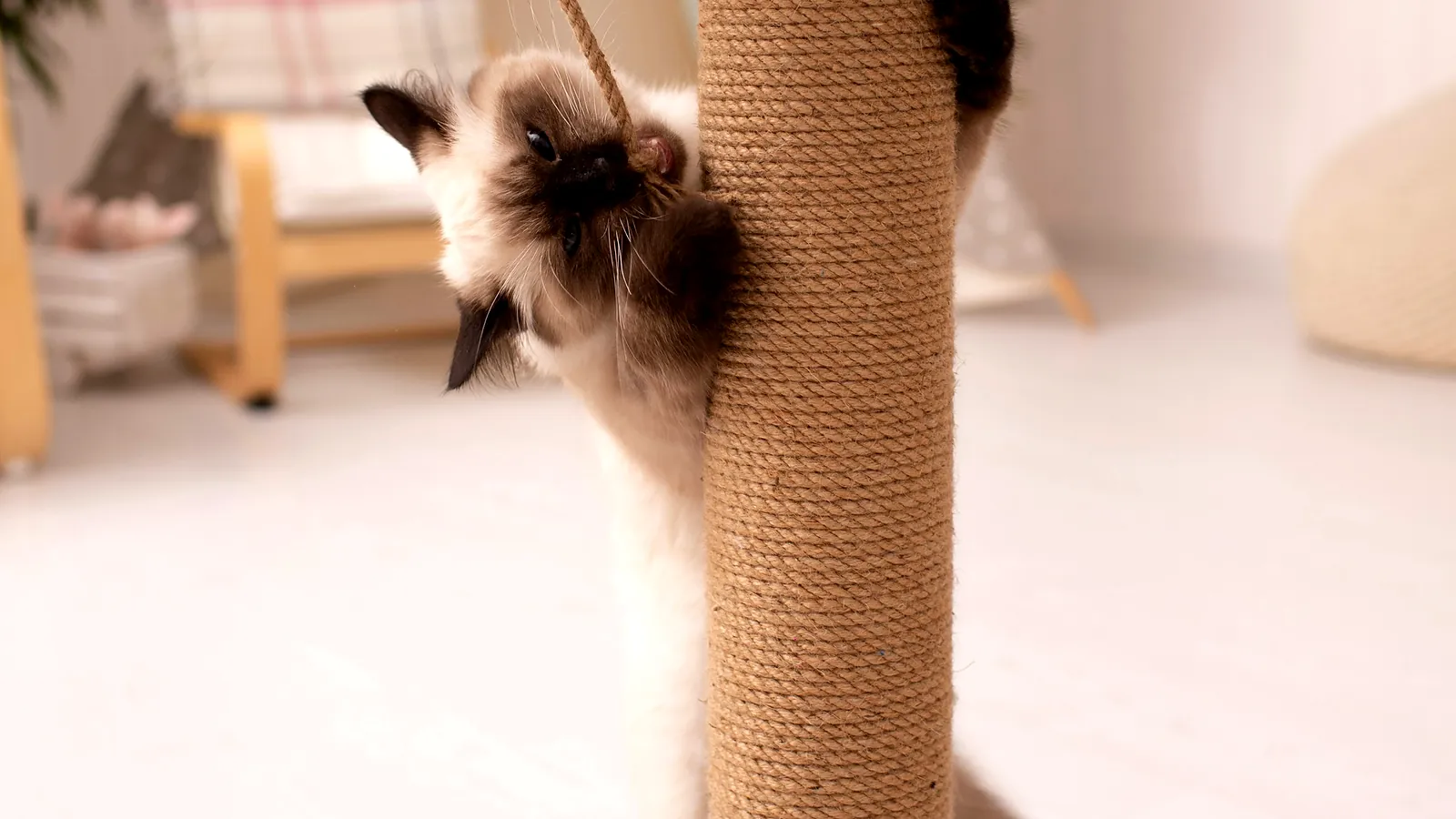
Scratching is normal, healthy cat behaviour, not bad manners. It sheds the worn outer layer of the claws, stretches the back and shoulders, and leaves scent and visible marks that tell the cat "this is mine". You can't stop it, but you can choose where it happens.
What makes a good scratching post
- Tall enough. Your cat should be able to stretch out fully, front paws high, which for most adult cats means a post at least about 75 cm (30 inches) tall.
- Sturdy. A post that wobbles or tips once will be ignored. Look for a wide, heavy base.
- The right surface. Sisal rope is a favourite because claws catch on it. Corrugated cardboard is cheap and popular, especially for horizontal scratchers.
- The right direction. Some cats scratch upright, others on the floor. If your cat attacks the rug, try a flat or angled scratcher; if they go for the couch arm, choose a tall post.
Cat trees
A cat tree combines scratching posts with perches and hiding spots. Cats like to watch from up high, so a tree beside a window is often the most-used spot in the house, and it's a good answer for homes with more than one cat.
Where to put it
- Next to the furniture your cat already scratches, at first. You can move it a little at a time later.
- Near where your cat sleeps: cats like a good stretch-and-scratch when they wake up.
- In a room the family uses. A post hidden in the basement won't get much use.
- One per cat is a good start, plus one in each favourite room.
How to stop scratching furniture
- Put a scratcher right beside the spot being scratched.
- Make the furniture less appealing for a few weeks with double-sided tape, a throw, or a cat deterrent spray.
- Make the scratcher more appealing: rub catnip or silver vine on it, drag a wand toy across it, and reward your cat with a treat when they use it.
- Keep claws trimmed; see our nail trimming guide.
- Never punish scratching. It doesn't work and makes cats anxious.
About declawing. Declawing removes the end bone of each toe. The Canadian Veterinary Medical Association opposes it, and it's banned in several provinces. A good scratching post, regular nail trims and a little training work for nearly every cat.
Scratchers and cat trees at our store
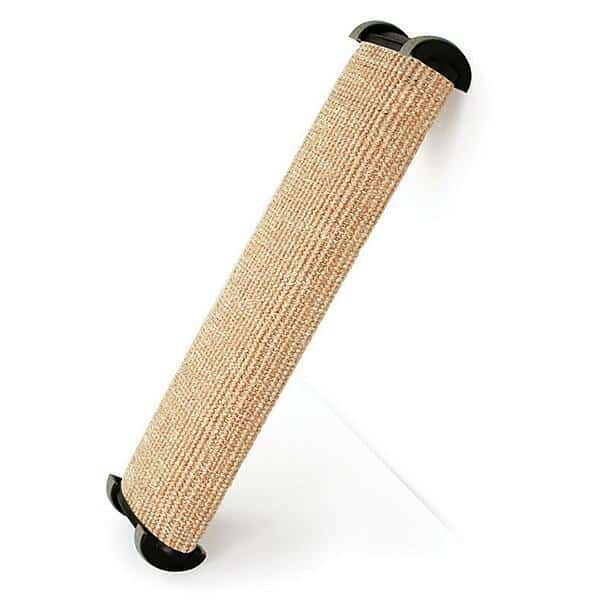 Omega Paw Sisal Scratch Post Cat
 Omega Paw Horizantal Scratching Post Cat
 Kong Naturals Cat Scratcher Big
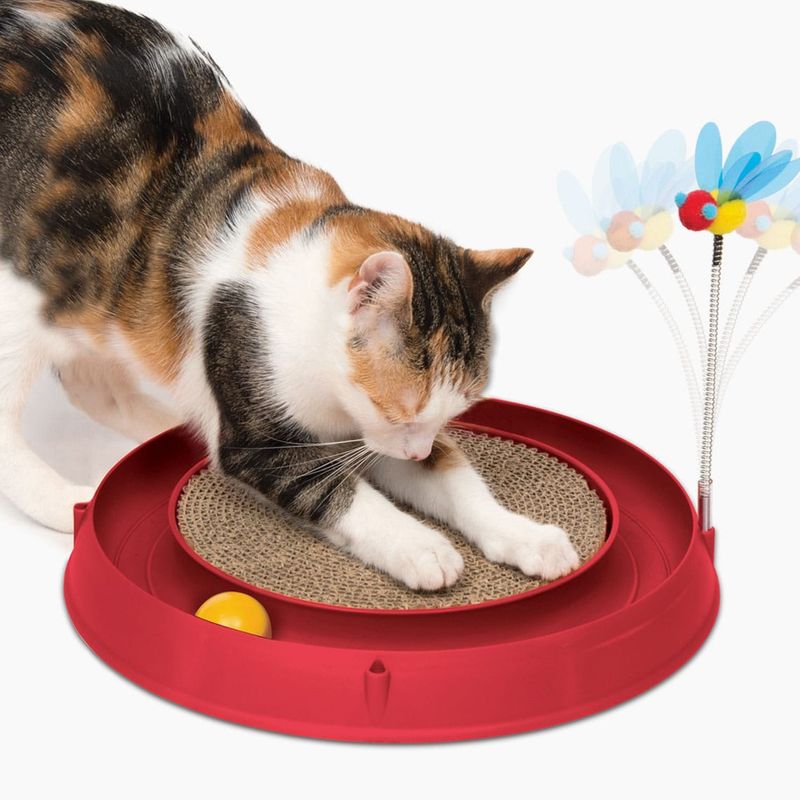 Catit Scratch Pad Bee And Ball Red
 Bud'z Scratch Box With Bag Of Catnip Aquatic
 Bud- Z 3 Level Cat Tree With Sissal Cat 50x40x111 cm
 Prevue Pet Products King's Manor Cat Tree
 Enviro Fresh Scratch Prevent For Cats 380ml
Cat trees are large; call 905-509-3417 to check what we have in the store.
More guides

Dog harness or collar? How to choose and fit one
When a harness is better than a collar, front-clip no-pull vs back-clip harnesses, how to measure and fit a harness, winter harness coats, and cat harnesses.

Raw diet for dogs and cats: a beginner's guide
How to start a raw diet for your dog or cat: choosing a complete and balanced food, how much raw food to feed, switching over 7 to 10 days, and safe handling.
About this guide. Written by the team at LOVE AND PAWS, the pet store at 376 Kingston Rd, Pickering. This guide is general information and is not a substitute for advice from your veterinarian.
Need help choosing a scratcher?
376 Kingston Rd, Pickering, ON L1V 6K4 · 905-509-3417