Harness or collar?
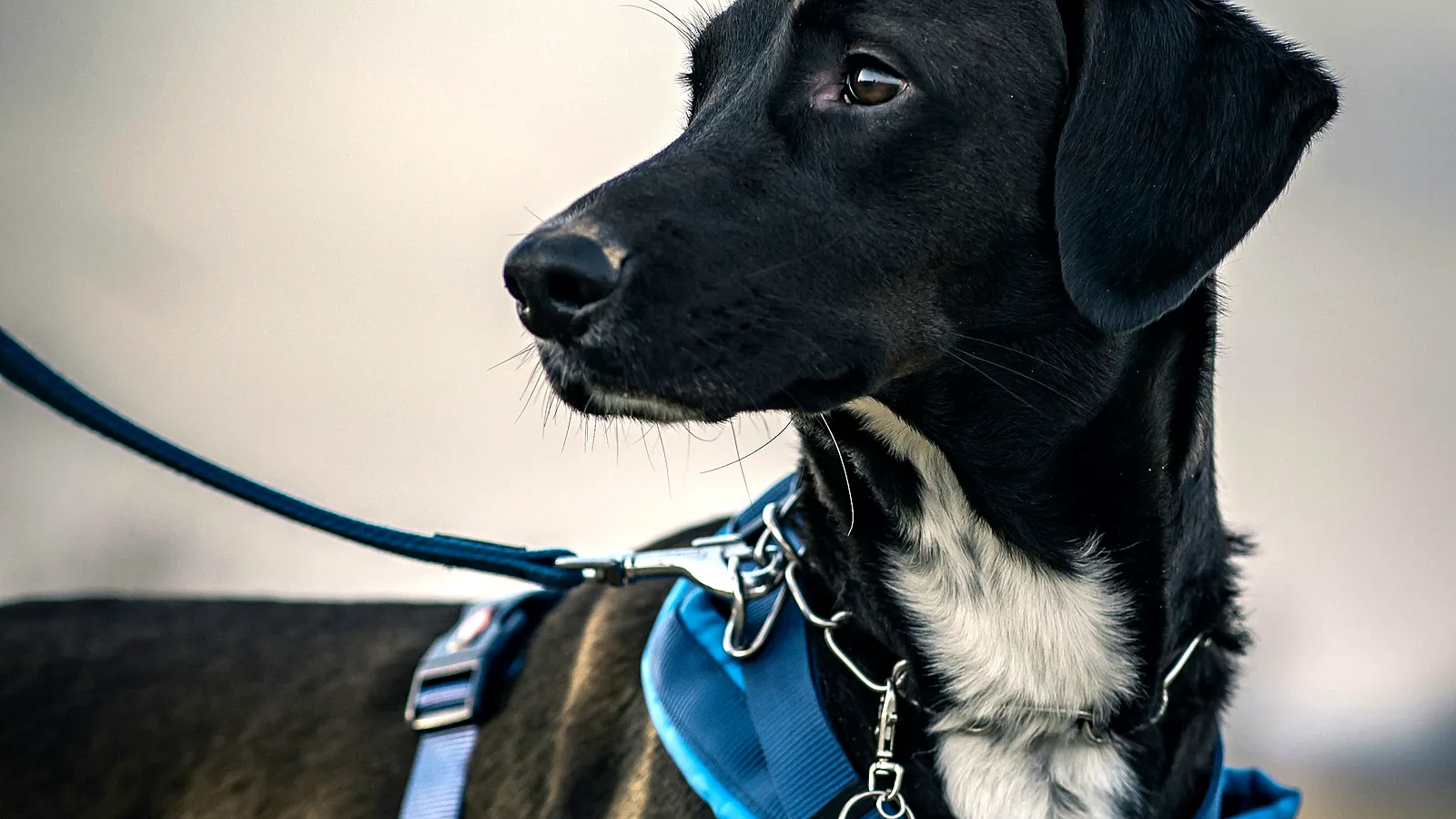
A collar is fine for many dogs and is the best place for ID tags. A harness spreads pressure across the chest instead of the neck, which makes it the better choice for:
- small and toy breeds, which can have delicate windpipes;
- flat-faced breeds such as Pugs and French Bulldogs;
- dogs with neck, back or breathing problems (ask your vet);
- dogs that pull hard on a collar.
Many people use both: a collar for tags, and a harness for the leash.
Types of harness
| Type | How it works | Good for |
|---|---|---|
| Back-clip | Leash clips between the shoulder blades | Calm walkers and small dogs; comfortable and easy to put on. Can encourage pulling. |
| Front-clip (no-pull) | Leash clips at the chest, so pulling turns the dog sideways | Dogs that pull; helps while you train loose-leash walking |
| Dual-clip | Has both rings | Switching between training and relaxed walks |
| Step-in | Dog steps in with the front paws; clips on the back | Dogs that dislike things going over their head |
| Harness coat | A winter coat with a harness built in | Small and short-coated dogs in cold weather |
A harness that forms a Y across the chest leaves the shoulders freer than one with a strap straight across the front of the legs.
How to measure and fit a harness
- Measure around the widest part of the chest, just behind the front legs, and around the base of the neck. Use the brand's size chart; if your dog is between sizes, try both.
- Adjust so you can slide two fingers under every strap.
- Check it doesn't rub in the armpits or sit on the throat.
- Walk a few steps and watch: a good harness doesn't twist or slide to one side.
- Re-check the fit as puppies grow and when your dog wears a winter coat underneath.
You're welcome to bring your dog into the store to try sizes.
A harness is not training
A no-pull harness makes pulling less effective, but it doesn't teach your dog to walk nicely. Reward your dog for walking with a loose leash, stop when the leash goes tight, and keep sessions short. Small, soft treats make it easier.
Cats on a harness
Some cats enjoy safe outdoor time on a harness. Use a harness made for cats, let your cat wear it indoors for short periods with treats before going outside, and never tie a cat up unattended.
Harnesses at our store
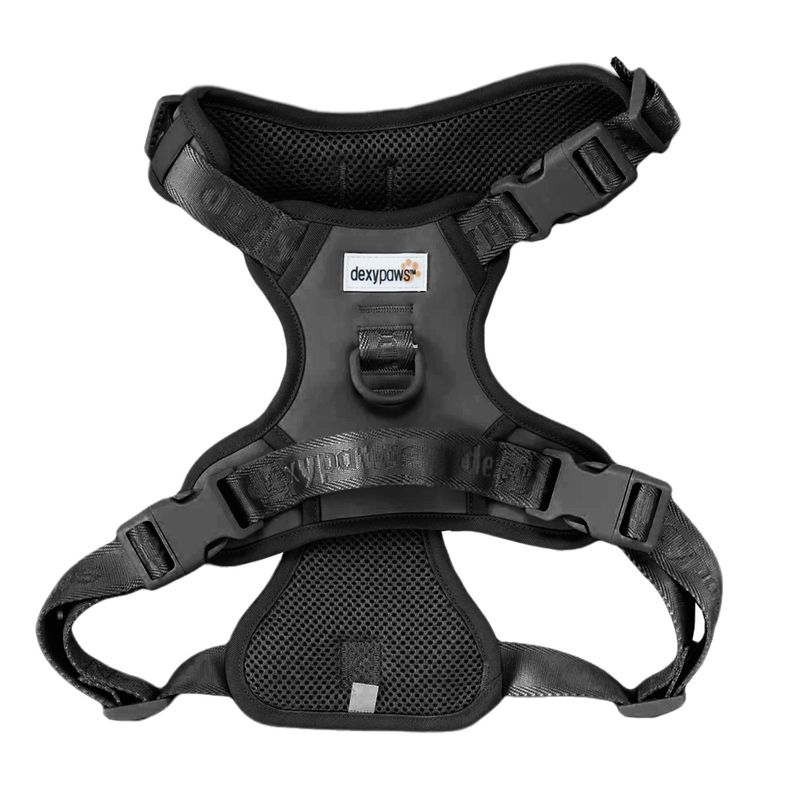 Dexypaws No-pull Dog Harness Black Medium
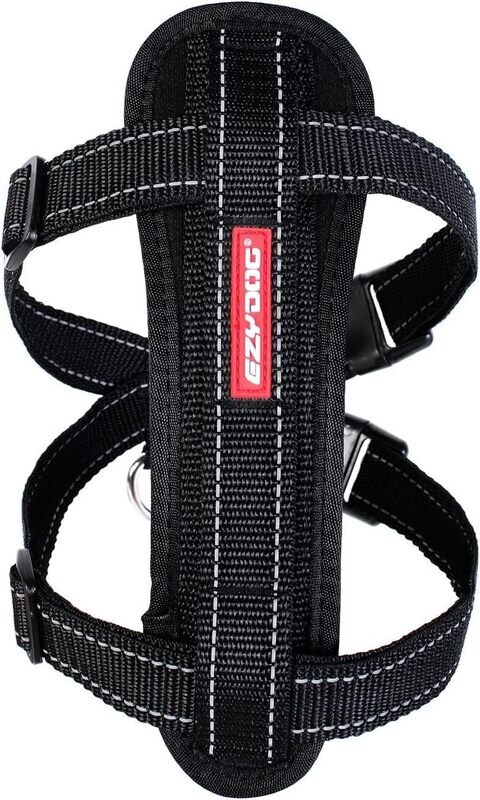 EZY Dog Chest Harness M
 Dog Harness FuzzYard Step In Candy Hearts M
 Canada Pooch Harness Puffer Black Size 14
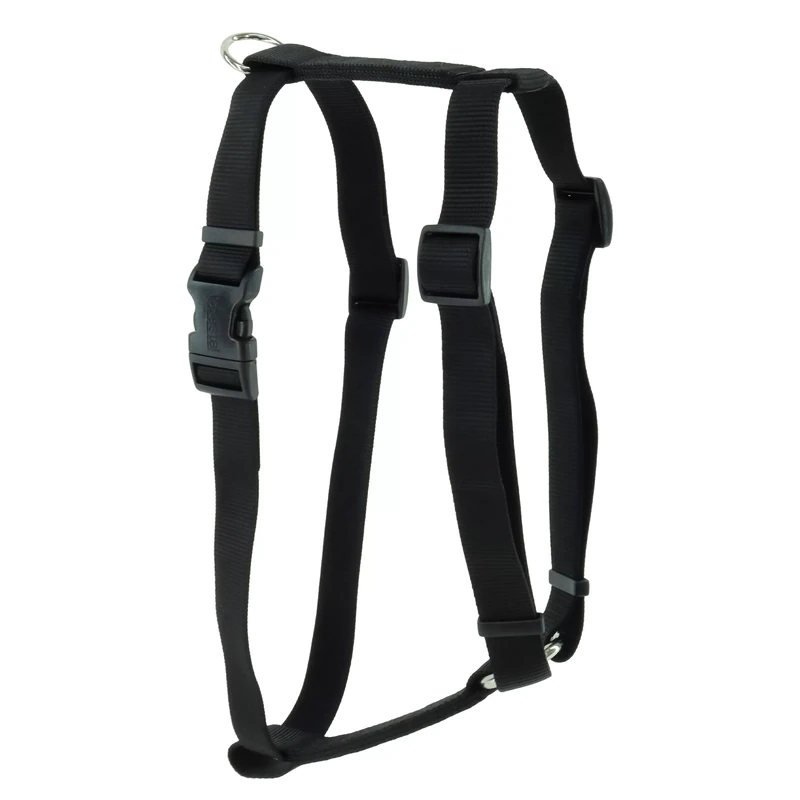 Coastal Harness L
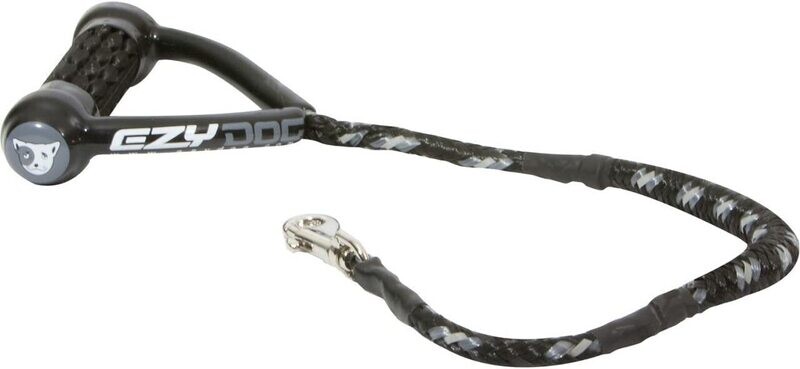 Ezydog Cujo 25" Shock Absorbing Leash
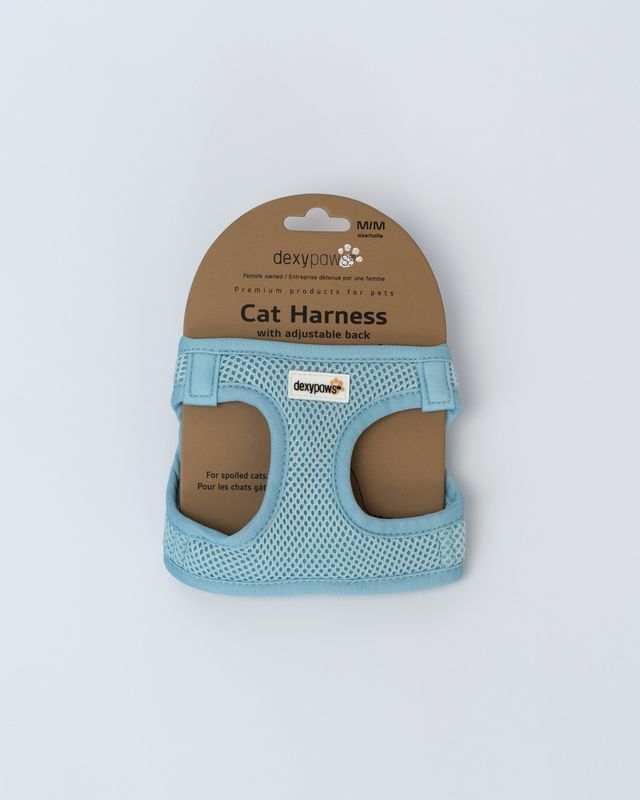 Dexypaws Neoprene Harness For Cats Sky Blue M
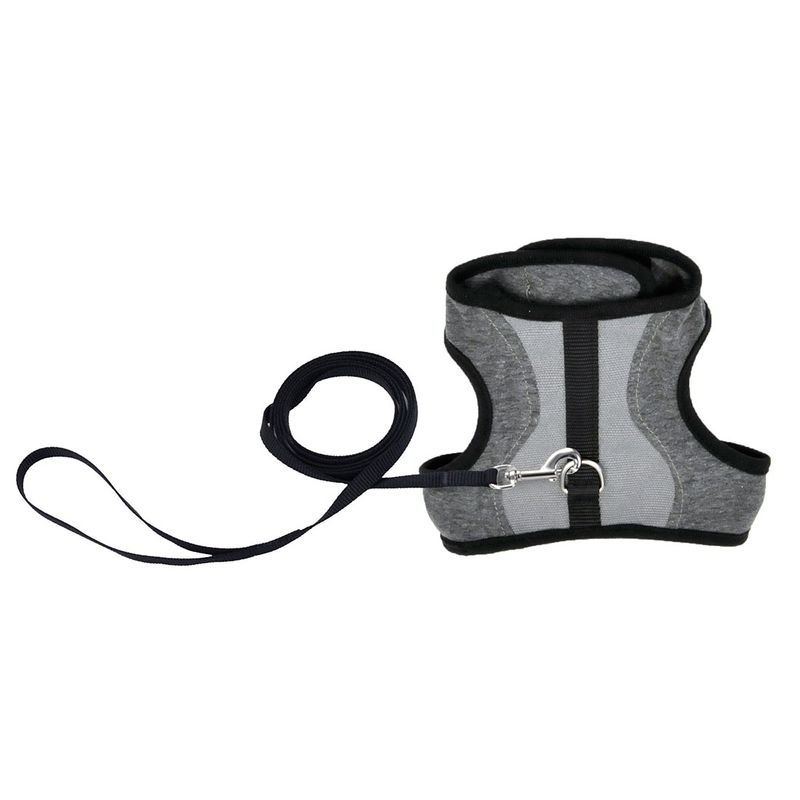 Coastal Cat Wrap Harness & 6' Leash Combo 11-16in
Each size is listed separately in the shop. See our winter paw care guide for boots and coats.
More guides

Raw diet for dogs and cats: a beginner's guide
How to start a raw diet for your dog or cat: choosing a complete and balanced food, how much raw food to feed, switching over 7 to 10 days, and safe handling.

Freeze-dried, dehydrated or kibble: what's the difference?
How kibble, dehydrated and freeze-dried raw dog food are made, how to serve and store each one, how they compare on cost, and how to choose.
About this guide. Written by the team at LOVE AND PAWS, the pet store at 376 Kingston Rd, Pickering. This guide is general information and is not a substitute for advice from your veterinarian.
Want help fitting a harness?
376 Kingston Rd, Pickering, ON L1V 6K4 · 905-509-3417