
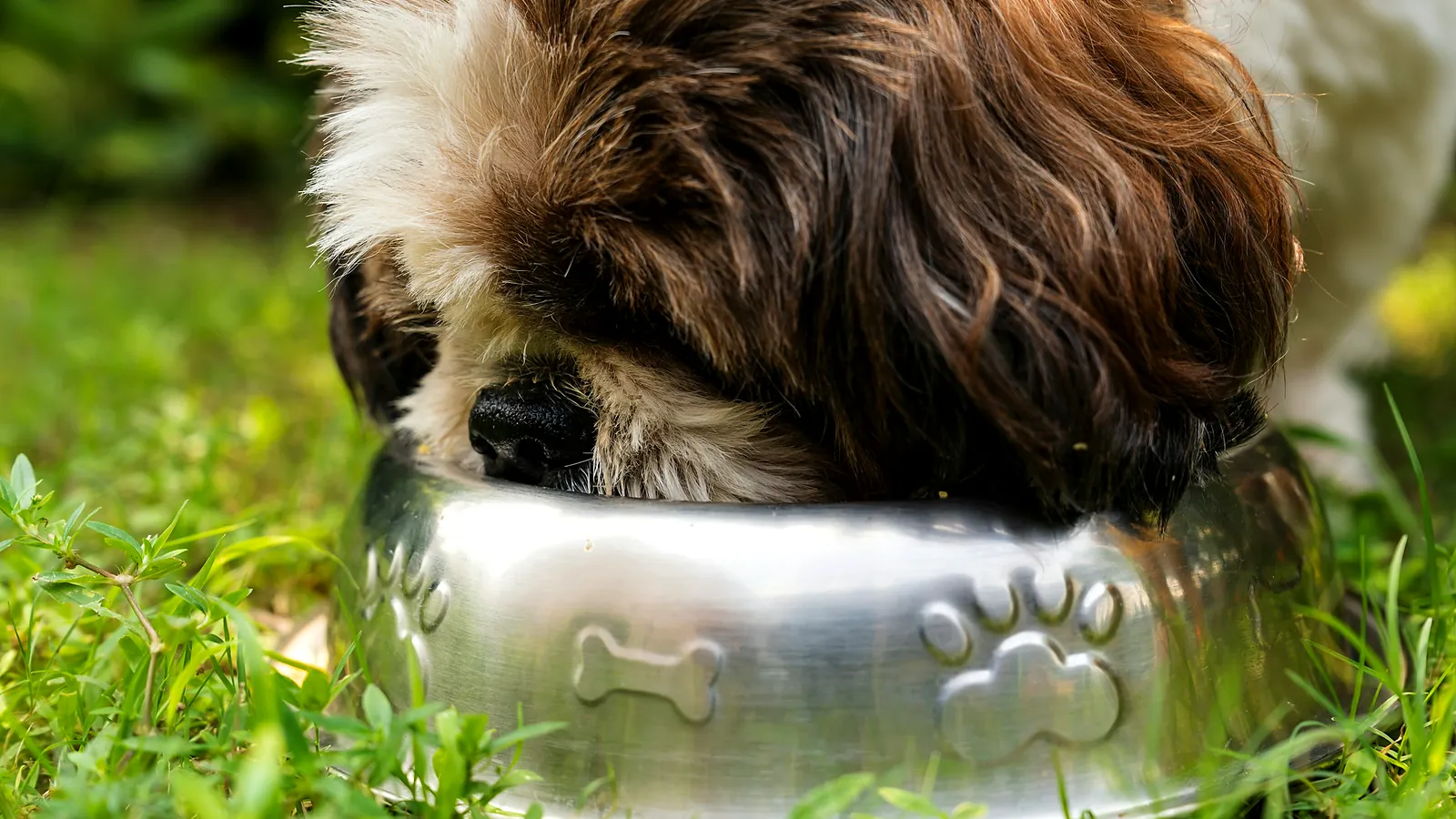
Itching, ear infections, gas and loose stools have many causes, and food is only one of them. True food allergies are less common than most people think. More often a pet has a sensitive stomach, a food intolerance, fleas or an environmental allergy. Working out which one takes a little patience.
Signs that food may be involved
- Itchy skin all year round, especially paws, ears, face and belly
- Ear infections that keep coming back
- Vomiting, loose stools, gas or frequent bowel movements
In dogs, the most commonly reported food allergens are beef, dairy, chicken and wheat. That's because those are the most common ingredients, not because they are worse foods.
See your vet for constant itching, broken or infected skin, weight loss, blood in the stool, or vomiting or diarrhea that lasts more than a day or two. Our guide to diarrhea and constipation covers short-term tummy upsets.
How a food trial works
The only reliable way to diagnose a food allergy is an elimination diet with your vet. Blood, hair and saliva tests sold for food allergies are not considered reliable.
- Your pet eats one food with a protein they have never eaten (a novel protein), or a hydrolyzed diet your vet prescribes, and nothing else.
- The trial lasts at least 8 weeks. No other treats, chews, table food or flavoured medicines during that time.
- If the symptoms clear up, your vet may have you add the old food back to confirm the cause.
Limited ingredient and novel protein foods
Limited ingredient diets use one animal protein and fewer other ingredients, which makes it easier to avoid a problem ingredient. Novel proteins, such as venison, kangaroo, goat or duck, are ones your pet hasn't eaten before. These foods are useful for pets with a known trigger or a sensitive stomach. For a strict allergy trial, ask your vet whether an over-the-counter food is enough, because they aren't made under the same controls as prescription diets.
Everyday tips for a sensitive stomach
- Change foods slowly, over 7 to 10 days.
- Feed at the same times each day, in two or more smaller meals.
- Keep treats simple and few, ideally the same protein as the food.
- No table scraps or fatty leftovers.
- A spoonful of plain pumpkin or a probiotic made for pets helps some animals.
Cats
Cats get food allergies and sensitive stomachs too, with the same signs: itchy head and neck, over-grooming, vomiting or loose stools. The same rules apply: a single-protein food, a slow switch, and your vet for a proper food trial.
At our store
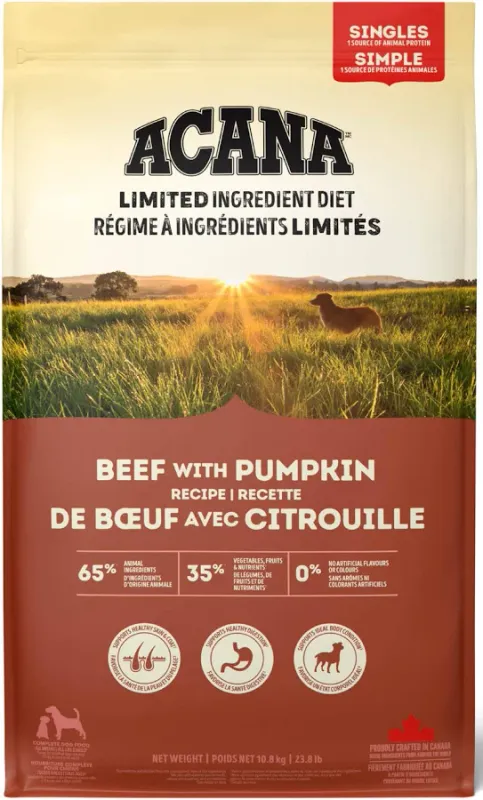 Acana Singles Beef With Pumpkin Recipe 1.8kg
 Boreal Functional LI Venison 10kg Dog
 Carna4 Venison 2.2lb
 Oven baked Tradition Small Breed Skin & Stomach Adult 4lb
 BCR Pure Kangaroo 4lb
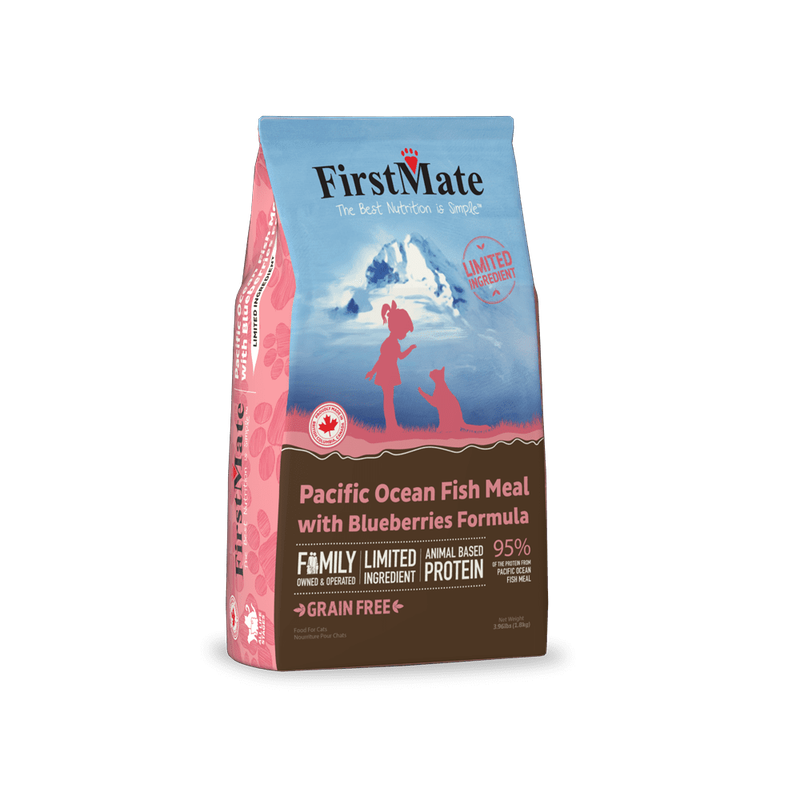 First Mate Grain Free LID Ocean Fish W Blueberry Cat Food 1.8kg
 Almo Nature Digestive Support Formula Chicken With Pumpkin 6x50g
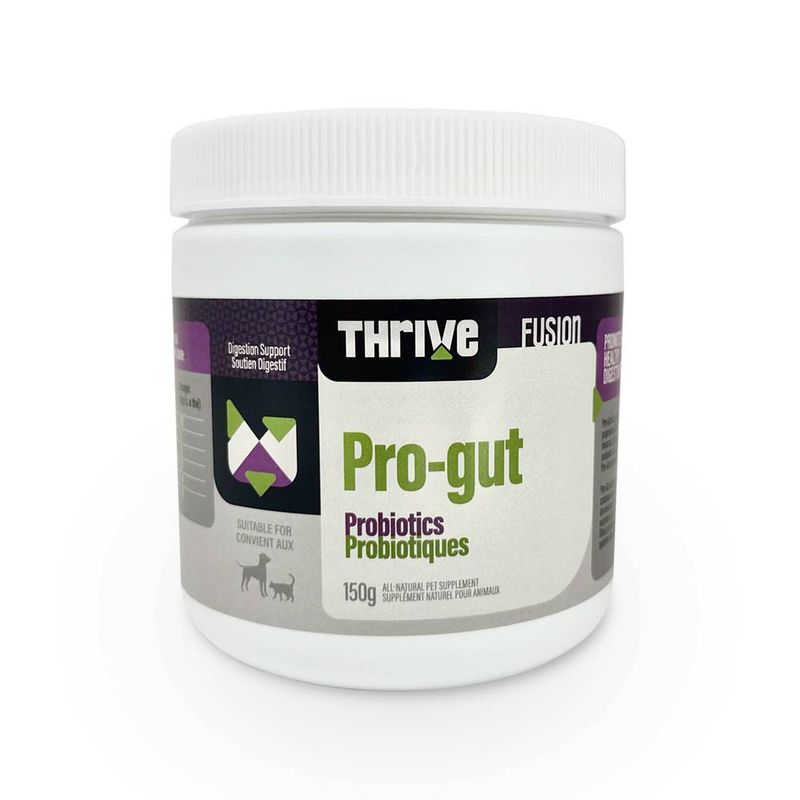 Thrive Pro-gut Probiotics Fusion 150g
More guides
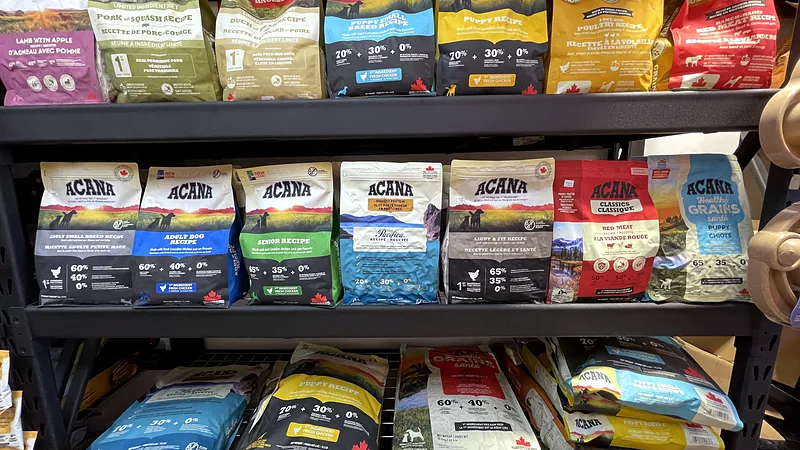
Best dog food in Canada: how to choose
How to choose a dog food in Canada: what to look for on the label, questions to ask about the company, grain-free and heart health, cost per day, and the Canadian brands at our Pickering store.
Dog dental care: teeth cleaning at home
How to brush your dog's teeth, which dental chews and additives help, signs of dental disease, and when your dog needs a professional cleaning at the vet.
About this guide. Written by the team at LOVE AND PAWS, the pet store at 376 Kingston Rd, Pickering. This guide is general information and is not a substitute for advice from your veterinarian.
Want help choosing a food for a sensitive pet?
376 Kingston Rd, Pickering, ON L1V 6K4 · 905-509-3417